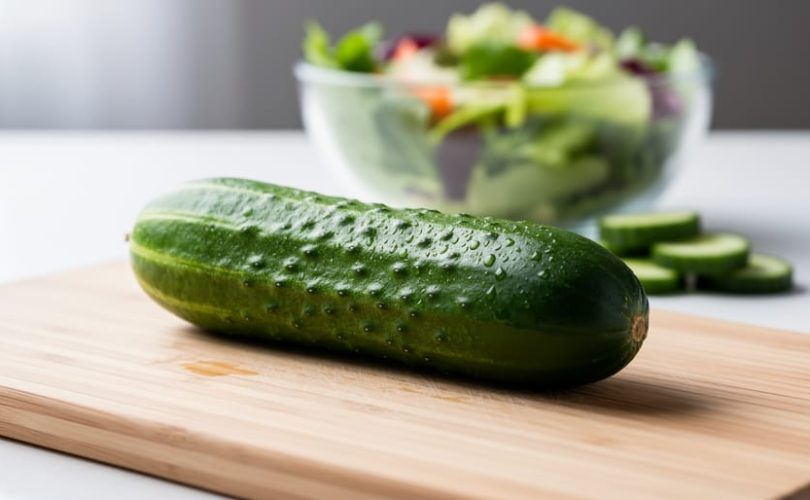
One medium cucumber contains just 45 calories while delivering 95% water content, making it one of the most hydrating whole foods you can add to your plate. If you’re tracking macros for weight management or athletic performance, you’ll find cucumbers refreshingly simple: 11 grams of carbohydrates, 2 grams of fiber, 2 grams of protein, and virtually zero fat per serving.
Beyond the basics, cucumbers pack meaningful micronutrients that support your health goals. You’ll get 14% of your daily vitamin K needs (critical for bone health and blood clotting), plus vitamin C, potassium, and magnesium in smaller amounts. The peel contains most of the fiber and antioxidants, so eating cucumbers unpeeled maximizes their nutritional value.
Here’s what makes this data practical for you: cucumbers work as a high-volume, low-calorie food that helps you feel satisfied while staying in a calorie deficit. That water and fiber combination supports digestion and keeps you hydrated during workouts or hot Canadian summers. Whether you’re meal prepping salads, adding crunch to sandwiches, or reaching for a quick snack, understanding these numbers helps you make cucumbers work harder in your nutrition plan.
The Complete Nutritional Breakdown of Cucumbers
Cucumbers are composed of 96% water, making them one of nature’s most hydrating vegetables. But there’s more to this crisp, refreshing food than just H2O. A medium cucumber (about 300g) contains roughly 45 calories, positioning it as an incredibly low-energy-density option for anyone tracking their intake. The remaining 4% of its composition packs a surprising array of nutrients that support multiple health functions.
Let’s break down exactly what you’re getting when you bite into a cucumber. The macronutrient profile is minimal but strategic: around 11 grams of carbohydrates per medium cucumber, with 2 grams coming from dietary fiber and 5 grams from natural sugars. Protein sits at just over 2 grams, and fat is virtually absent at less than 0.5 grams. This profile makes cucumbers a true neutral player in your macro calculations while delivering volume and texture to meals.
| Nutrient | Per 100g | Per Medium Cucumber (300g) | % Daily Value |
|---|---|---|---|
| Calories | 15 | 45 | 2% |
| Carbohydrates | 3.6g | 11g | 4% |
| Fiber | 0.5g | 1.5g | 6% |
| Vitamin K | 16.4μg | 49.2μg | 41% |
| Vitamin C | 2.8mg | 8.4mg | 9% |
| Potassium | 147mg | 441mg | 9% |
The micronutrient profile reveals cucumber’s real strengths. Vitamin K leads the pack, delivering 41% of your daily needs in a single medium cucumber. This fat-soluble vitamin plays a crucial role in blood clotting and bone metabolism. Potassium contributes 9% of the daily recommendation, supporting fluid balance and nerve function. You’ll also find meaningful amounts of vitamin C, magnesium (10% DV), and manganese (12% DV), plus smaller quantities of B vitamins including folate, B5, and B6.
What sets cucumbers apart nutritionally is this combination: extreme hydration paired with a respectable micronutrient load, all delivered in a virtually calorie-free package. Unlike starchy vegetables that shift your carb budget, cucumbers add crunch, freshness, and nutrients without demanding much metabolic attention. They’re one of the few vegetables you can eat in unlimited quantities while supporting weight management goals.
Macronutrients: Why Cucumbers Are Perfect for Calorie-Conscious Eating
When you’re working toward weight loss or simply maintaining a healthy body composition, the numbers matter, and cucumbers deliver an almost unbeatable macronutrient profile for calorie-conscious eating.
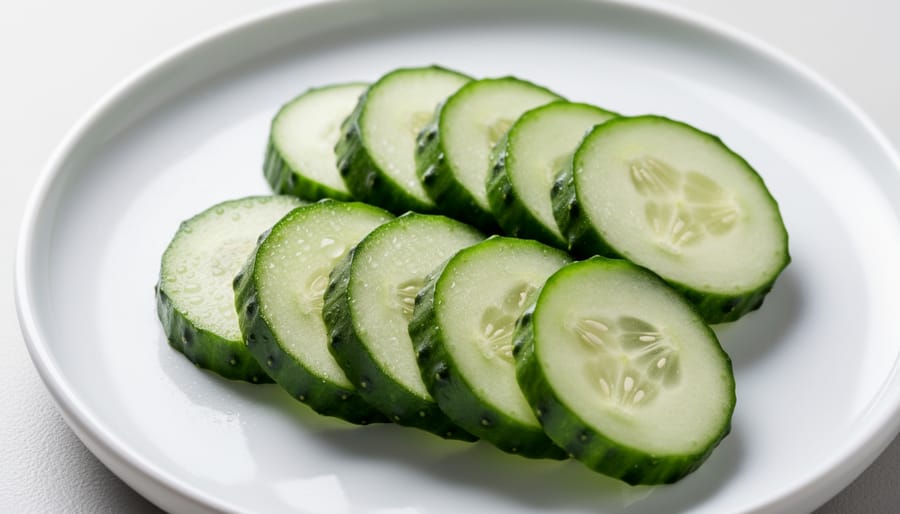
A one-cup serving of sliced cucumber with peel contains just 16 calories. That’s fewer calories than a single potato chip, yet delivers substantially more volume and crunch. This exceptional calorie density comes from cucumber’s 96% water content, which means you’re getting significant food volume without the caloric cost that derails many eating plans.
The remaining 4% breaks down into minimal macronutrients: approximately 3.6 grams of carbohydrates per cup, 0.7 grams of protein, and essentially zero fat. About 0.5 grams of that carbohydrate content comes from dietary fiber, which slows digestion and contributes to fullness despite the low overall calorie count.
This macronutrient composition creates what nutrition researchers call high satiety efficiency. You can eat a generous portion of cucumbers, feel physically satisfied from the volume and crunch, yet consume so few calories that it’s nearly impossible to exceed your daily targets. For anyone tracking macros, cucumbers function almost like “free food” that adds texture, flavor, and satisfaction to meals without significantly impacting your carbohydrate or calorie budget.
The near-absence of fat and protein might seem like a nutritional drawback, but it’s actually strategic. Cucumbers aren’t meant to be your sole nutrition source. Instead, they excel as a low-calorie base or side that lets you allocate your fat and protein macros to more nutrient-dense sources like salmon, Greek yogurt, or nuts while still eating satisfying portion sizes. This approach prevents the deprivation that undermines sustainable weight management.
Micronutrients That Support Your Healthy Habits
Vitamin K and Bone Health
Cucumbers deliver a meaningful dose of vitamin K, approximately 16% of your daily value in a one-cup serving, making them a practical addition to any bone health strategy. This often-overlooked nutrient plays a crucial role in bone metabolism by activating proteins that regulate calcium deposition in bone tissue. Without adequate vitamin K, your body can’t effectively use the calcium you consume, no matter how much dairy or fortified foods you eat.
For aging adults, this becomes particularly important. Bone density naturally declines after age 30, and vitamin K deficiency has been linked to increased fracture risk and lower bone mineral density. Regular cucumber consumption contributes to the 90-120 micrograms most adults need daily, supporting the osteocalcin activation process that binds calcium to your bone matrix.
The beauty of getting vitamin K from cucumbers lies in their versatility, you can easily incorporate them into salads, snacks, or infused water without adding significant calories to your diet. Pairing cucumbers with a small amount of healthy fat (like olive oil in a salad or hummus as a dip) enhances vitamin K absorption, since it’s a fat-soluble nutrient. This simple nutritional synergy turns a refreshing vegetable into a bone-strengthening food that fits seamlessly into your daily eating pattern.
Antioxidants and Anti-Inflammatory Compounds
Cucumbers contain several powerful plant compounds that work behind the scenes to protect your cells and calm inflammation throughout your body. Understanding these bioactive components helps explain why cucumbers offer benefits beyond their basic vitamin and mineral content.
The most notable compounds are cucurbitacins, which give cucumbers their characteristic slight bitterness. Research shows these molecules possess anti-inflammatory properties and may help regulate cellular stress responses. You’ll find the highest concentrations near the stem end and in the peel, which is why eating cucumbers unpeeled maximizes their protective potential.
Beta-carotene, the precursor to vitamin A, supports eye health and immune function. While cucumbers contain modest amounts compared to orange vegetables, every bit contributes to your daily intake. The darker the cucumber’s skin, the more beta-carotene it contains.
Flavonoids like quercetin and apigenin act as antioxidants, neutralizing free radicals that damage cells over time. These compounds support cardiovascular health and may reduce oxidative stress from intense exercise, particularly relevant if you’re training regularly.
Lignans, including pinoresinol and lariciresinol, round out cucumber’s phytonutrient profile. Your gut bacteria convert these into compounds with potential anti-cancer properties. Together, these antioxidants and anti-inflammatory compounds make cucumbers a strategic addition to a diet focused on long-term cellular health and recovery.
Electrolytes for Hydration and Recovery
Cucumbers deliver two key electrolytes that directly impact your workout performance and daily energy levels. A medium cucumber provides approximately 442 mg of potassium (about 9% of your daily needs) and 39 mg of magnesium. While these amounts might seem modest compared to bananas or spinach, cucumbers contribute meaningfully when eaten regularly, especially as a hydrating snack.
Potassium regulates fluid balance between your cells and bloodstream, preventing cramping during exercise and supporting proper muscle contraction. If you’ve experienced mid-workout cramps or post-exercise fatigue, inadequate electrolyte intake could be contributing. Magnesium works alongside potassium to facilitate muscle relaxation after contraction, reducing soreness and supporting faster recovery.
For active Canadians, cucumbers offer a practical advantage: their electrolytes come packaged with 96% water content, creating a natural rehydration vehicle. Unlike sports drinks with added sugars, cucumber slices provide electrolytes without unnecessary calories. Try adding cucumber to your post-workout meal or keeping sliced cucumbers in the fridge for immediate refueling. The combination of water, potassium, and magnesium helps restore what you’ve lost through sweat while supporting the muscle repair process your body initiates after training.
Fresh vs. Frozen: How Cucumber Nutrition Holds Up
You might wonder whether fresh cucumbers are always your best option, or if freezing affects their nutritional punch. Here’s the reality: cucumbers aren’t typically frozen because their 96% water content creates ice crystals that destroy their crisp texture and cellular structure. When thawed, they turn mushy and watery, far from the crunchy vegetable you started with.
That said, understanding how frozen veggies retain nutrients helps you make smarter choices across all produce. Most vegetables are flash-frozen at peak ripeness, locking in vitamins and minerals within hours of harvest. Fresh produce, meanwhile, can lose 15-50% of certain nutrients during transport and storage, sometimes sitting for weeks before reaching your plate.
For cucumbers specifically, stick with fresh. Their nutritional benefits shine when eaten raw and crisp. But this frozen vegetable principle matters for building a sustainable nutrition strategy: broccoli, spinach, peas, and berries often deliver equal or better nutritional value frozen than their “fresh” counterparts that have traveled long distances.
The takeaway? Fresh cucumbers for hydration and crunch, frozen options for convenience and year-round access to other nutrient-dense vegetables. Both have their place in a balanced approach. Knowing when each option works best means you’re making informed decisions that support your health goals without getting trapped in all-or-nothing thinking about produce quality.

How Cucumbers Support Your Specific Health Goals
Weight Management and Satiety
Cucumbers excel at creating satiety despite their minimal calorie contribution, a single cup of sliced cucumber contains just 16 calories yet delivers substantial volume that physically fills your stomach. This exceptional calorie-to-volume ratio means you can consume generous portions that satisfy hunger without derailing your nutrition goals. The combination of 96% water content and approximately 0.5 grams of fiber per cup slows gastric emptying, extending feelings of fullness between meals.
For those pursuing sustainable calorie restrictions cucumbers offer a strategic advantage: they allow you to maintain eating satisfaction while reducing overall energy intake. Adding cucumber slices to meals increases plate volume without adding significant calories, helping your brain register meal completion. The fiber, though modest in absolute terms, contributes to gradual digestion that prevents rapid hunger return. This makes cucumbers particularly valuable during active weight management phases when maintaining adherence to your nutrition plan depends on managing hunger effectively without constant deprivation.

Hydration for Active Lifestyles
Cucumbers deliver more than just crunch, they’re 96% water, making them one of nature’s most effective hydration tools for active Canadians. A single cup of sliced cucumber provides roughly 120 milliliters of fluid, helping you reach the recommended 2.7 to 3.7 liters daily. This matters especially if you’re training regularly, since even mild dehydration (as little as 2% body weight loss) impairs performance and recovery.
The combination of water and electrolytes like potassium means cucumbers don’t just hydrate, they help maintain fluid balance during and after workouts. Unlike plain water, which you might drink in large quantities, cucumbers offer sustained hydration through their fiber matrix, releasing water gradually as you digest. Pair this hydration boost with smart training that supports metabolism and exercise adaptations, and you create a foundation for consistent progress without the fatigue that comes from chronic under-hydration.
Blood Sugar Stability
Cucumbers have a glycemic index near zero, making them an excellent choice for maintaining steady blood sugar levels throughout the day. Because they contain minimal digestible carbohydrates, less than 4 grams per cup, they won’t trigger insulin spikes that can derail energy levels or interfere with fat-burning goals.
For Canadians managing prediabetes or simply wanting sustained energy without crashes, cucumbers work particularly well in balanced meals. Pairing cucumber slices with protein (grilled chicken, cottage cheese) and healthy fats (olive oil, avocado) creates a complete meal that digests slowly and keeps glucose levels stable for hours.
The high fiber content in cucumber peels further slows carbohydrate absorption from other foods on your plate. This buffering effect is why adding cucumbers to grain bowls, sandwiches, or wraps helps moderate the overall glycemic response of the meal. Unlike starchy vegetables that require portion control, you can eat cucumbers freely without worrying about blood sugar impact, making them ideal for snacking between meals or adding volume to any dish.
Maximizing Cucumber’s Nutritional Benefits
Get the most from every cucumber by focusing on how you prepare and pair them. The peel contains most of the fiber and a significant portion of vitamin K and antioxidants, so washing thoroughly and eating cucumbers unpeeled maximizes nutritional value. If you prefer peeling for texture or digestive comfort, you’re still getting the hydration and electrolyte benefits, just with less fiber.
Pair cucumbers strategically to enhance nutrient absorption and create balanced meals. The healthy fats in avocado, olive oil, or nuts help your body absorb fat-soluble vitamins like vitamin K. Combining cucumbers with protein sources such as Greek yogurt, chicken, or chickpeas transforms a simple snack into a balanced component that supports satiety and muscle recovery.
- Add sliced cucumbers to smoothies for hydration without diluting flavor
- Marinate in vinegar with herbs to preserve crunch while adding probiotics
- Dice into salsa or relish for a low-calorie condiment that boosts vegetable intake
- Spiralize as a noodle replacement in cold dishes for extra volume and nutrients
- Blend into chilled soups with yogurt for a protein-rich, hydrating meal
Think beyond salads when incorporating cucumbers into your precision nutrition plan. Use them as a base for open-faced sandwiches instead of crackers, reducing refined carbs while adding water content. Freeze cucumber slices with lemon or mint in ice cube trays for infused water that makes hydration more appealing. Our food prep guide offers additional strategies for planning nutrient-dense meals that include cucumbers and other fresh vegetables throughout your week.
Store cucumbers properly to maintain their nutritional integrity. Keep them in the crisper drawer wrapped loosely in a dry towel, which preserves moisture without creating condensation that speeds decay. Use within five to seven days for peak nutrient content and texture.
Understanding cucumber nutrition facts gives you a powerful foundation for making food choices that support your health journey. Now you know precisely what cucumbers bring to your plate: 96% hydration, essential vitamins K and C, anti-inflammatory compounds, and barely any calories, all working together to support everything from bone health to post-workout recovery.
This knowledge isn’t about perfection; it’s about building sustainable habits that fit your life. When you understand the nutritional value of what you eat, whether it’s fresh cucumbers, other vegetables, or quality frozen options, you make decisions that align with your goals rather than following rigid rules that don’t last.
Start where you are. Add cucumber slices to your water bottle, toss them into your next salad, or pair them with protein for a satisfying snack. Small, informed choices like these compound into lasting change. As you continue exploring nutrient-dense vegetables, both fresh and frozen, you’re not just eating better; you’re building a healthier relationship with food that supports your body’s needs and respects your lifestyle. That’s the foundation of real, sustainable wellness.