

Connor Murphy’s fitness journey offers a compelling case study in how exceptional physical transformation can coexist with profound personal challenges, and understanding both sides is essential for anyone looking to build sustainable health habits. His approach to training, which emphasized progressive overload, high-volume workouts, and strategic muscle-building techniques, helped him build an impressive physique that resonated with millions of followers. Yet his story also highlights why aesthetic success alone doesn’t guarantee overall wellness.
What makes Murphy’s methodology worth examining isn’t just the training splits or dietary protocols he shared. It’s the broader conversation his journey sparked about the intersection of fitness culture, social media pressures, and mental well-being. His training principles were grounded in solid fundamentals: consistent progressive resistance, adequate protein intake, and structured programming that prioritized compound movements. These elements remain valuable whether you’re new to strength training or looking to refine your approach.
The challenge comes in separating effective training strategies from the context in which they were presented. Murphy’s public evolution, including his openness about mental health struggles and the complexities of maintaining an extreme physique, serves as a reminder that what we see online rarely tells the complete story. For those seeking to improve their fitness in 2026, the real lesson isn’t about replicating someone else’s exact routine. It’s about understanding which principles translate to long-term health and which serve different, potentially unsustainable goals.
This analysis examines Murphy’s core training methods, extracts the evidence-based practices that support genuine wellness, and helps you build a fitness approach that serves your body and mind equally.
The Connor Murphy Approach: What Made His Fitness Philosophy Stand Out
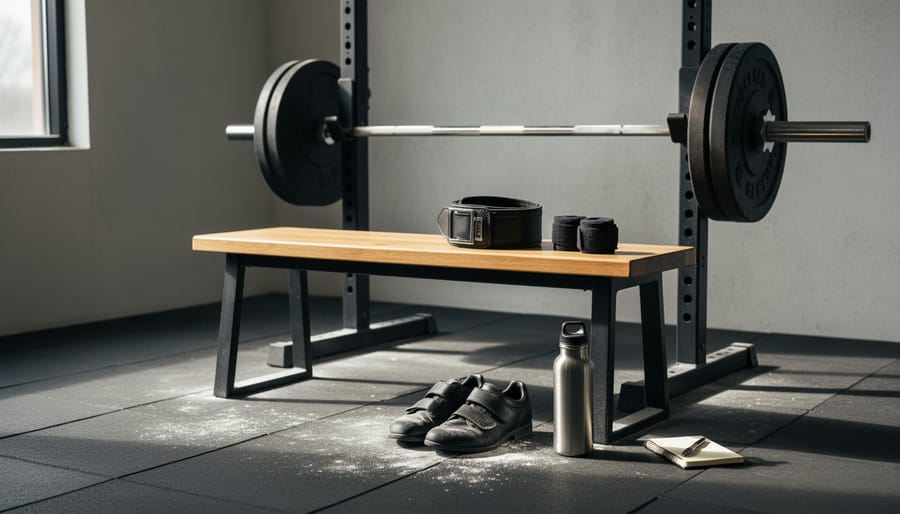
Connor Murphy built his reputation on a fitness approach that stood in sharp contrast to the supplement-heavy, bulk-then-cut mentality dominating much of fitness culture. His methodology centered on achieving and maintaining a lean, aesthetic physique year-round, a philosophy that resonated with people tired of extreme transformations and perpetual dieting cycles.
At the heart of Murphy’s approach was an emphasis on natural bodybuilding combined with what he positioned as honest, achievable aesthetics. Rather than chasing massive size or strength numbers, his content showcased a balanced, proportional physique that looked camera-ready in any season. This represented a shift from traditional bodybuilding’s off-season bulk phases, appealing to viewers who wanted to look good consistently rather than oscillate between extremes.
Murphy’s core fitness principles included:
- Year-round leanness rather than bulking and cutting cycles
- Focus on muscle proportion and symmetry over maximum size
- High-volume training with an emphasis on mind-muscle connection
- Natural bodybuilding claims that positioned his results as attainable without performance-enhancing substances
- Integration of calisthenics and compound movements alongside traditional bodybuilding exercises
What truly distinguished his content was the social experiment dimension. Murphy filmed unconventional gym interactions and public reactions to his physique, creating a genre that blended fitness education with entertainment and social commentary. These videos challenged typical gym etiquette and generated conversations about body image, confidence, and how society responds to extreme fitness development.
His transparency about the work required stood out in an era of quick-fix fitness marketing. Murphy documented the grinding repetition, the dietary discipline, and the time investment needed to build his physique. This honesty created credibility with audiences seeking realistic expectations rather than overnight transformation promises.
The approach wasn’t without controversy. His natural bodybuilding claims sparked debates within the fitness community, and the social experiment content sometimes prioritized shock value over educational substance. Yet the underlying message, that aesthetic fitness requires consistency, intelligent programming, and genuine commitment, offered value to viewers willing to look past the theatrics. For Canadian fitness enthusiasts evaluating his methods, the challenge lies in extracting the sustainable principles while recognizing where spectacle overshadowed science.
The Mental Health Component: Lessons From a Public Transformation

Connor Murphy’s public journey revealed something many fitness influencers avoid discussing: the profound psychological toll that can accompany extreme physical transformation. In 2019 and beyond, Murphy openly shared his struggles with mental health, spirituality, and identity, experiences that emerged alongside his intense dedication to building an aesthetic physique. His story illustrates a truth that’s increasingly recognized in wellness circles: physical fitness and mental well-being aren’t separate pursuits but deeply interconnected aspects of health that must be addressed together.
The relationship between intense training and psychological strain isn’t unique to Murphy. When fitness becomes all-consuming, when self-worth hinges entirely on physical appearance or performance metrics, it can trigger or worsen chronic anxiety symptoms obsessive thought patterns, and disordered eating behaviours. The constant pressure to maintain a certain look, document progress for social media, and sustain an image can create psychological stress that undermines the very health these practices supposedly promote.
What Murphy’s experience teaches us is that sustainable fitness requires honest mental health advocacy from the start. This means checking in with yourself beyond the mirror: How do you feel when you miss a workout? Does your training schedule allow space for relationships, rest, and activities unrelated to fitness? Are you pursuing strength and health, or are you chasing an image that promises self-acceptance but never quite delivers it?
Building a balanced approach means recognizing warning signs early. If you find yourself anxious about food choices to the point of avoiding social situations, if missed workouts trigger disproportionate guilt, or if your mood depends entirely on your physical appearance that day, these signals warrant attention. Fitness should enhance your life, not consume it.
The lesson here isn’t to avoid ambitious physical goals but to pursue them within a framework that values your whole self. Set training objectives, yes, but also cultivate interests outside the gym. Measure progress through how you feel, your energy, sleep quality, and mental clarity, not just how you look. Seek support when the mental load feels heavy, whether through trusted friends, mental health professionals, or coaches who understand the psychological dimensions of training. Your fitness journey should build you up in every sense, not just physically.
Training and Nutrition Principles Worth Adopting
Progressive Overload and Aesthetic Training
Progressive overload, the practice of gradually increasing training stress over time, forms the foundation of any effective muscle-building program. Instead of jumping into extreme workout splits or chasing dramatic transformations, focus on small, consistent improvements: adding 2.5 pounds to your bench press this month, squeezing out one extra rep next week, or reducing rest periods by 15 seconds. These incremental changes signal your muscles to adapt and grow without overwhelming your recovery capacity.
For aesthetic training specifically, prioritize exercise selection that targets muscle groups from multiple angles. Rather than relying solely on compound movements, incorporate isolation work for balanced development. A well-rounded chest routine might include barbell presses for overall mass, incline dumbbell work for upper chest definition, and cable flies for contraction and stretch. This variety stimulates different muscle fibres and creates the proportional physique many pursue.
Track your workouts religiously. Use a simple notebook or app to record sets, reps, and weights for each exercise. This data reveals patterns: where you’re stalling, which exercises drive the most progress, and when you might be pushing too hard. Without tracking, you’re guessing rather than applying genuine progressive overload.
Rest and recovery aren’t obstacles to progress, they’re essential components. Muscles grow during recovery, not during training itself. Most natural lifters see optimal results training each muscle group twice per week with 48-72 hours between sessions. This frequency allows you to accumulate enough training volume to boost metabolism and stimulate growth while preventing the chronic fatigue that derails long-term consistency. Listen to your body: persistent joint pain, declining performance, and disrupted sleep signal the need for a deload week or adjusted training volume.
Nutrition for Muscle Growth Without Extremes
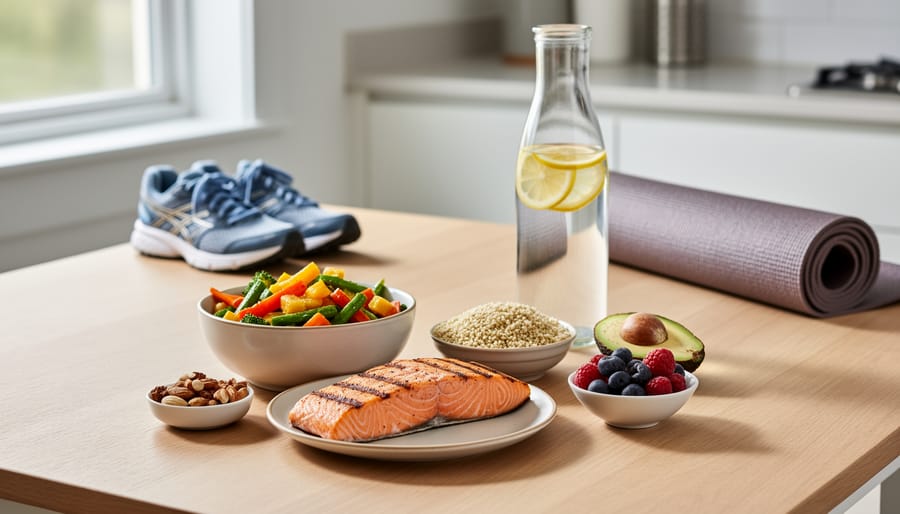
Building muscle effectively doesn’t require extreme calorie cycling, rigid meal timing, or eliminating entire food groups. A sustainable approach centres on consistent fundamentals that support both performance and long-term health.
Start with adequate protein intake, roughly 1.6 to 2.2 grams per kilogram of body weight daily. This range supports muscle protein synthesis without the excessive amounts often promoted in bodybuilding circles. Distribute this across three to four meals for optimal results. Quality sources include lean meats, fish, eggs, Greek yogurt, legumes, and plant-based options like tempeh or edamame.
Carbohydrates fuel your training and recovery. Rather than drastically cutting carbs, focus on timing them around workouts when your body uses them most efficiently. Whole grains, sweet potatoes, oats, and fruit provide sustained energy without blood sugar crashes. The exact amount depends on your training volume, but most people building muscle thrive on moderate to higher carbohydrate intake.
Don’t fear dietary fat. It supports hormone production, including testosterone, which plays a role in muscle development. Include sources like avocados, nuts, olive oil, and fatty fish. Aim for roughly 20 to 35 percent of total calories from fat.
Consistency matters more than perfection. Following our food prep guide helps you stay on track without obsessing over every meal. Prepare base proteins and starches in batches, then mix and match throughout the week.
Track your progress through strength gains and how you feel, not just the scale. Muscle growth happens gradually, typically one to two pounds monthly for most people training consistently. Avoid the temptation to drastically increase calories hoping for faster results. That approach usually adds unnecessary fat, creating a frustrating cut-bulk cycle that undermines sustainable progress.
What to Avoid: Red Flags in Fitness Culture
The fitness influencer landscape offers valuable motivation, but it also harbors warning signs that can derail your health journey. Learning to spot these red flags protects you from approaches that promise transformation but deliver burnout, injury, or worse.
All-or-nothing messaging represents one of the most pervasive problems in fitness culture. When influencers frame workouts as “hardcore” versus “for quitters,” or suggest you’re failing if you take rest days, they’re creating false binaries that ignore how sustainable progress actually works. Real fitness improvements come from consistency over months and years, not from pushing through pain until something breaks.
Extreme body transformations in unrealistic timeframes should trigger immediate skepticism. The human body builds muscle and loses fat at predictable, research-backed rates. When someone claims dramatic changes in weeks rather than months, they’re likely manipulating lighting, angles, dehydration protocols, or simply showing you a slideshow that compresses a much longer timeline. These presentations create impossible standards that leave you feeling inadequate when following evidence-based approaches.
Dismissal of mental health concerns emerges as another critical warning. Fitness pursued at the expense of psychological wellbeing, relationships, or life balance isn’t health, it’s obsession wearing athletic clothing. If someone’s content celebrates training through obvious distress, promotes exercise as punishment for eating, or treats rest as weakness, recognize that as a path toward disordered patterns, not wellness.
Vague promises without methodology signal that someone prioritizes engagement over education. “Get shredded fast” means nothing without explaining progressive overload, caloric balance, and recovery protocols. Similarly, nutrition advice that demonizes entire food groups or promises detoxification lacks scientific grounding.
Commercial conflicts of interest deserve scrutiny too. When every post promotes supplements, programs, or products without transparent disclosure, question whether the advice serves your health or their revenue stream.
The most dangerous red flag? Content that makes you feel perpetually inadequate rather than progressively capable. Sustainable fitness culture builds you up with realistic expectations and evidence-based guidance. Anything else is entertainment masquerading as education, and your health deserves better than that.
Building Your Own Sustainable Fitness Path
Creating a sustainable fitness path starts with honest self-assessment rather than chasing someone else’s physique or routine. Your current schedule, stress levels, sleep quality and nutritional habits provide the foundation, not an influencer’s split or supplement stack. Begin by identifying one or two areas where small improvements will yield the biggest return on your effort.
A systematic approach keeps you grounded while building momentum:
- Define clear, measurable goals tied to how you want to feel and function, not just how you want to look.
- Choose 2-3 training sessions per week you can sustain for six months, focusing on compound movements and progressive overload.
- Track your protein intake and overall energy balance without rigid meal plans or extreme restrictions.
- Schedule recovery days as deliberately as training days, prioritizing sleep and stress management.
- Reassess every 4-6 weeks, adjusting intensity or volume based on actual recovery and performance, not arbitrary benchmarks.
The mistake many make after following fitness content is attempting to replicate every detail of a training program designed for someone with different genetics, years of experience and full-time dedication to the gym. Instead, extract principles, progressive overload, adequate protein, consistency, and apply them within your reality. Health Habits’ simple fitness how-tos offer practical starting points that scale to your current capacity.
For Canadians juggling careers, families and long winters, sustainability beats intensity every time. A three-day strength program you complete all year outperforms a six-day bodybuilding split you abandon by March. Build habits first, then refine the details as those habits become automatic. Your fitness path should enhance your life, not consume it.