
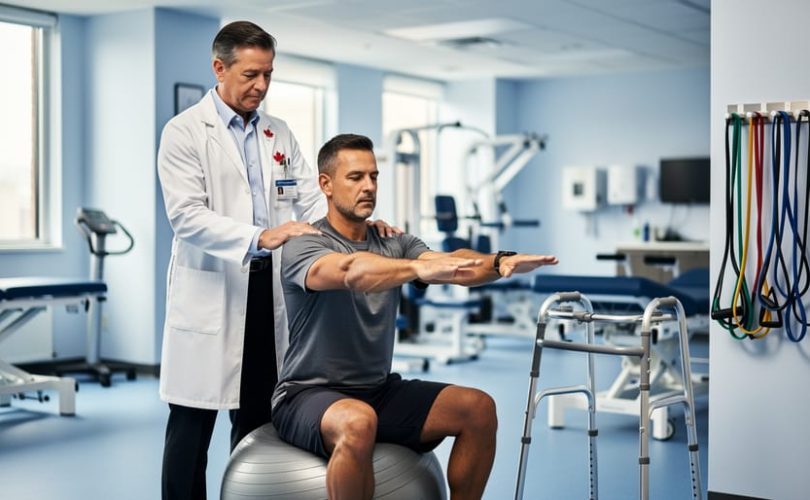
A physiatrist is a medical doctor specializing in physical medicine and rehabilitation, trained to diagnose and treat conditions affecting the muscles, bones, nerves, and brain that impair movement and quality of life. If you’re recovering from a stroke, managing chronic back pain, dealing with a sports injury that isn’t healing, or navigating life after a spinal cord injury, a physiatrist focuses on restoring function and maximizing your independence without relying primarily on surgery.
Unlike orthopedic surgeons who operate or general practitioners who manage a broad range of conditions, physiatrists take a comprehensive, whole-body approach to rehabilitation. They design treatment plans that might include medications, therapeutic exercise, assistive devices, injections, and coordination with physiotherapists, occupational therapists, and other specialists. The Canadian Stroke Best Practice Recommendations specifically identify physiatrists as core members of the rehabilitation team for stroke recovery, reflecting their critical role in managing complex rehabilitation needs.
In Canada, physiatrists earn certification through the Royal College of Physicians and Surgeons of Canada after completing medical school and specialized residency training in physical medicine and rehabilitation. This rigorous pathway ensures they bring both medical expertise and deep knowledge of the rehabilitation process to your care.
Understanding when to seek out a physiatrist, and how they differ from other healthcare providers, can make the difference between managing symptoms and genuinely recovering function. Whether you’re an athlete sidelined by injury, someone living with a chronic condition, or supporting a loved one through rehabilitation, knowing what physiatrists offer puts a powerful tool in your wellness toolkit.
Understanding What a Physiatrist Actually Does

A physiatrist is a medical doctor who specializes in Physical Medicine and Rehabilitation, often abbreviated as PM&R. These physicians hold full medical degrees and complete specialized residency training in rehabilitation medicine, giving them the clinical expertise to diagnose conditions, prescribe medications, order diagnostic tests, and design comprehensive treatment plans. Their primary focus is restoring function and quality of life for people dealing with injuries, chronic pain, neurological conditions, or disabilities that affect movement and daily activities.
What sets physiatrists apart is their whole-person approach to rehabilitation. Rather than targeting a single body system or relying on surgical intervention, they coordinate care across multiple disciplines to help patients regain independence. A physiatrist treating someone recovering from a stroke, for example, might manage spasticity with medications, order imaging to assess recovery, coordinate with speech and occupational therapists, and adjust the rehabilitation plan as function improves. They’re trained to look at how an injury or condition affects your ability to work, move, and live the life you want.
The non-surgical focus is central to physiatry. These specialists explore every avenue to restore function before considering invasive procedures. They treat chronic back pain with targeted injections, medication management, and coordinated therapy rather than immediately recommending surgery. They manage nerve compression, sports injuries, and musculoskeletal disorders through evidence-based rehabilitation protocols. For many Canadians dealing with persistent pain or recovering from serious injuries, a physiatrist becomes the quarterback of their rehabilitation journey, ensuring all providers work toward shared functional goals while the patient remains at the centre of care decisions.
When You Actually Need a Physiatrist

You’ll benefit from a physiatrist’s expertise when standard treatments aren’t resolving your functional limitations or when you’re facing complex rehabilitation needs. These scenarios go beyond what a family doctor or single-discipline therapist can address alone.
Stroke recovery represents one of the clearest cases. The Canadian Stroke Best Practice Recommendations explicitly position physiatrists as core members of the rehabilitation professional team, reflecting their specialized training in restoring function after neurological injury. If you or a loved one has experienced a stroke affecting mobility, speech, or daily activities, a physiatrist coordinates the comprehensive care plan that addresses all these domains simultaneously.
Spinal cord injuries demand this same coordinated approach. A physiatrist manages not just the physical rehabilitation but also complications like spasticity, bladder function, and pain that often accompany these injuries. They understand how different body systems interact during recovery and adjust treatment accordingly.
Chronic musculoskeletal pain that hasn’t responded to conventional treatment is another strong indicator. If you’ve been dealing with persistent back pain, neck issues, or joint problems for months without improvement, a physiatrist can identify underlying mechanical or neurological factors that other specialists might miss. They focus on restoring function rather than just masking symptoms.
Sports injuries requiring non-surgical intervention fall squarely in their wheelhouse. When you want to return to activity without going under the knife, or when surgery hasn’t been recommended but you’re still struggling with performance limitations, physiatrists develop targeted rehabilitation protocols that address biomechanical issues.
Neurological conditions affecting mobility, multiple sclerosis, Parkinson’s disease, cerebral palsy, benefit from physiatric care because these physicians understand both the neurological aspects and the functional rehabilitation needed to maintain independence as conditions evolve.
Post-surgical rehabilitation, particularly after orthopedic procedures, often progresses faster with physiatrist involvement. They bridge the gap between the surgeon’s technical success and your return to real-world activities, managing complications and optimizing recovery timelines.
The Canadian Training Path for Physiatrists
Becoming a physiatrist in Canada requires completing medical school and then pursuing specialized residency training in Physical Medicine and Rehabilitation (PM&R) through the Royal College of Physicians and Surgeons of Canada. This certification process ensures physiatrists have the expertise to manage complex rehabilitation cases.
The journey starts with earning a medical degree from an accredited Canadian or international medical school. After medical school, physicians enter a residency program specifically in Physical Medicine and Rehabilitation. The Royal College of Physicians and Surgeons of Canada oversees this certification, establishing the training standards and competency requirements that define the specialty.
During residency, physicians rotate through various rehabilitation settings, learning to treat neurological injuries, musculoskeletal disorders, chronic pain conditions, and spinal cord injuries. They gain hands-on experience coordinating multidisciplinary care teams and developing comprehensive rehabilitation plans. The Canadian Stroke Best Practice Recommendations recognize this specialized training, identifying physiatrists as core members of the rehabilitation professional team for stroke recovery.
Once certified, physiatrists maintain their credentials through ongoing professional development and recertification requirements. This ensures they stay current with emerging rehabilitation techniques, pain management approaches, and evidence-based practices.
The rigour of this training pathway distinguishes physiatrists from other rehabilitation professionals. While physiotherapists, occupational therapists, and other allied health practitioners play vital roles in recovery, physiatrists bring medical training that allows them to diagnose conditions, prescribe medications, order imaging, and coordinate comprehensive treatment plans across the full spectrum of rehabilitation needs.
Why This Specialty Is Growing in Canada
The demand for physiatrists is climbing across Canada, driven by converging demographic and healthcare realities that make their expertise increasingly essential. Our aging population brings more complex rehabilitation needs, from stroke recovery to managing multiple chronic conditions that affect mobility and function. At the same time, the chronic pain epidemic continues to burden millions of Canadians who need alternatives to both opioids and invasive procedures.
Stroke rehabilitation alone represents a massive and growing need. The Canadian Stroke Best Practice Recommendations position physiatrists as core members of rehabilitation teams, yet many communities still lack adequate access to these specialists. As stroke incidence rises with population aging, the gap between need and availability becomes more pronounced.
The shift toward non-surgical interventions accelerates this trend. Canadians increasingly seek alternatives to joint replacements, spinal surgeries, and other invasive procedures, exactly the domain where physiatrists excel. They offer evidence-based approaches to restore function, manage pain, and improve quality of life without the risks and recovery time of surgery.
Healthcare workforce data from the Canadian Institute for Health Information, which tracks 35 professional groups, shows varying growth rates across specialties. The Canadian Centre for Health Workforce Analysis projects average annual workforce supply growth from 2022 to 2034 ranging from 1.1% for pharmacists to 1.7% for occupational therapists, with the fastest-growing groups in 2024 being psychotherapists and counselling therapists at 10.9%, nurse practitioners at 6.7%, and midwives at 5.0%. Within this landscape, physiatry occupies an emerging niche as awareness grows about what these specialists actually do and how they fill critical gaps in comprehensive rehabilitation care.
How Physiatrists Fit Into Your Wellness Journey

Recovery isn’t just about fixing what’s broken. It’s about building a life that supports your body’s capacity to heal and thrive long-term. That’s where physiatrists become valuable partners in the kind of sustainable health changes Health Habits champions.
Think of a physiatrist as the conductor of your recovery orchestra. They coordinate with the nutrition coaches who help you fuel healing, the fitness professionals who rebuild your strength safely, and the therapists addressing mental health advocacy needs. When you’re recovering from a spinal injury or managing chronic pain, your body’s stress response affects everything from inflammation to sleep quality. Physiatrists understand these connections and design treatment plans that account for them.
They’re particularly skilled at creating rehabilitation protocols that mesh with habit change. If you’re working through a food prep guide to manage inflammation through nutrition, your physiatrist can explain which anti-inflammatory eating patterns best support your specific condition. When chronic anxiety symptoms interfere with physical therapy adherence, they collaborate with mental health professionals to address both simultaneously rather than treating them in isolation.
The real value? Physiatrists think in timelines that match realistic behaviour change. They know that rebuilding function after a stroke takes months of consistent effort, not quick fixes. They’ll set milestones that align with how habits actually form, adjusting exercise prescriptions as your capacity grows and connecting you with community resources that support long-term maintenance. This approach transforms rehabilitation from a medical episode into an integrated part of your wellness journey, where professional medical guidance reinforces the sustainable lifestyle changes you’re building.
Finding and Working With a Physiatrist in Canada
Accessing a physiatrist in Canada starts with your family doctor. Most provinces require a physician referral, though the process varies. Ask your doctor directly if a physiatrist consultation would benefit your recovery, especially if you’re dealing with persistent pain, limited mobility after an injury, or neurological symptoms affecting your daily function.
Once referred, wait times can stretch from a few weeks to several months depending on your location and the urgency of your condition. Use this time productively by documenting your symptoms, tracking what activities worsen or improve your function, and gathering relevant medical records. If you’re already working on recovery, maintain any exercise tips your physiotherapist or doctor has provided.
Here’s how to prepare for your first appointment:
- Write down your complete medical history, including past injuries, surgeries, and current medications.
- Document your functional limitations with specific examples (I can’t lift my grocery bags, I need to rest after walking two blocks).
- List your rehabilitation goals in concrete terms rather than vague hopes.
- Prepare questions about treatment options, expected timelines, and how this fits with other therapies you’re receiving.
- Bring any recent imaging results, previous therapy notes, or specialist reports.
During the consultation, physiatrists typically conduct a thorough functional assessment, review your medical background, and develop a comprehensive rehabilitation plan. They’ll coordinate with other professionals you’re seeing and may prescribe treatments, recommend specific therapies, or adjust your current approach.
Provincial health insurance generally covers physiatrist consultations when medically necessary, but coverage for recommended treatments varies. Ask upfront about what services fall under your provincial plan and what might require additional payment or private insurance.
Set realistic expectations. Rehabilitation takes time, and progress often comes in small increments rather than dramatic breakthroughs. Your physiatrist will likely schedule follow-ups to adjust your plan as you improve, making them a long-term partner in your recovery rather than a quick fix.
Understanding what a physiatrist brings to your healthcare team isn’t just about expanding your medical vocabulary. It’s about recognizing when you need specialized expertise to restore function, manage pain, and rebuild your quality of life after injury or illness.
Too many Canadians struggle through months of ineffective treatments simply because they don’t know this option exists. Whether you’re recovering from a stroke, managing chronic back pain, or rehabilitating after a sports injury, a physiatrist can coordinate comprehensive care that addresses the whole picture, not just isolated symptoms.
At Health Habits, we believe sustainable wellness comes from informed decisions and personalized strategies. Sometimes that means working with your family doctor and physiotherapist. Other times, it means asking for a referral to a physiatrist who can design an evidence-based rehabilitation plan tailored to your specific needs and goals.
You deserve healthcare professionals who see you as a whole person, not just a diagnosis. If rehabilitation is part of your journey right now, exploring whether a physiatrist fits your situation could be the advocacy step that makes all the difference. Your recovery matters, and knowing your options empowers you to get the support you actually need.