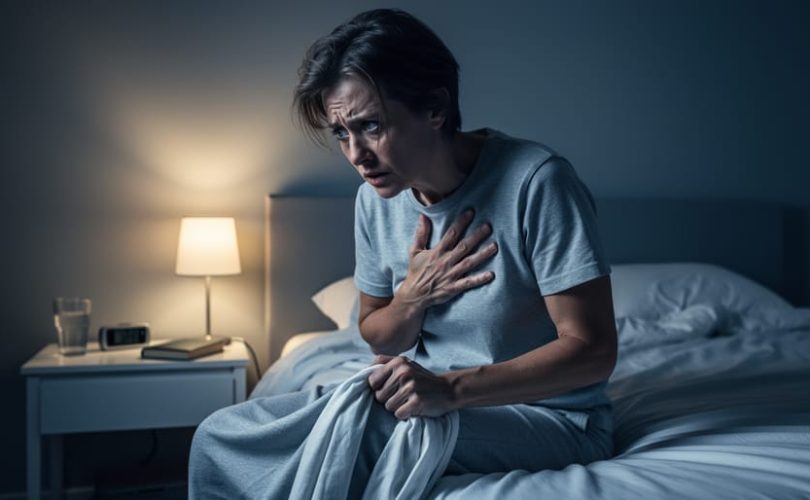
Your heart races so fast you think you might be having a heart attack. You can’t catch your breath, even though you’re sitting still. Your hands shake, your chest tightens, and you’re convinced something is terribly wrong with your body. These aren’t just nerves before a big presentation. These are severe anxiety symptoms, and they demand your attention.
If you’re experiencing these intense physical and emotional reactions regularly, you’re not overreacting. Severe anxiety goes far beyond everyday stress or worry. We’re talking about symptoms that disrupt your sleep, make it difficult to eat, keep you from leaving your house, or convince you that catastrophe is always lurking around the corner. You might feel detached from reality, experience persistent nausea, or find yourself unable to concentrate on even simple tasks.
Right now, you need two things: validation that what you’re experiencing is real and serious, and clear direction on what to do next. The physical symptoms of severe anxiety can feel identical to other medical emergencies, which is why many people end up in emergency rooms genuinely terrified for their lives. That fear is completely understandable.
Here’s what you need to know. Severe anxiety is a legitimate health condition that affects millions of Canadians in 2026, and it responds well to professional treatment. While lifestyle factors like nutrition and exercise play important supporting roles in managing anxiety, they’re not substitutes for professional mental health care when symptoms become this intense.
This article will help you identify severe anxiety symptoms, understand when professional intervention is necessary, and discover evidence-based strategies, including specific nutrition and fitness approaches, that can support your recovery alongside proper treatment.
What Severe Anxiety Symptoms Actually Look Like
Physical Warning Signs Your Body Is Under Extreme Stress
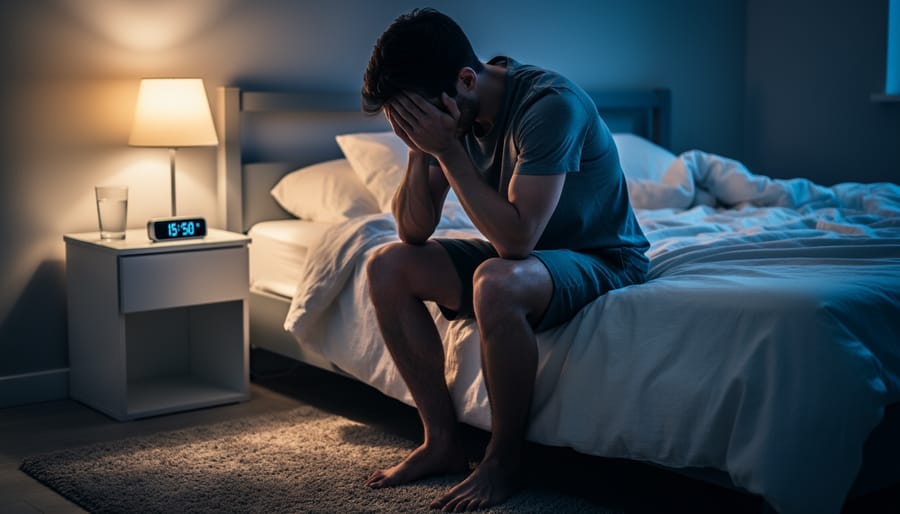
Your body doesn’t lie when anxiety becomes severe. While everyday worry might give you butterflies in your stomach, extreme anxiety triggers a full-body alarm system that can feel terrifying and overwhelming.
Chest pain and tightness are among the most frightening physical symptoms. Your chest might feel squeezed or heavy, making you wonder if something is seriously wrong with your heart. This often comes with difficulty breathing, short, shallow breaths or the sensation that you can’t get enough air no matter how hard you try. Some people describe it as breathing through a straw or having an elephant sitting on their chest.
Dizziness and lightheadedness frequently accompany severe anxiety, sometimes to the point where you need to sit down or hold onto something for stability. Your vision might blur, or you might feel disconnected from your surroundings, as if you’re watching yourself from outside your body.
Gastrointestinal distress becomes relentless with severe anxiety. We’re talking about persistent nausea, frequent diarrhea, stomach cramps, or a feeling of constant queasiness that makes eating difficult. Your gut and brain are deeply connected, and extreme stress wreaks havoc on your digestive system.
Muscle tension escalates beyond normal tightness. Your jaw might ache from clenching, your neck and shoulders feel like rocks, and tension headaches become a near-daily occurrence. Trembling or shaking hands, sweating profusely even when it’s not hot, and heart palpitations that make you acutely aware of every beat are all signs your nervous system is in overdrive.
Perhaps most debilitating is the profound fatigue that makes basic tasks feel impossible. This isn’t just being tired, it’s exhaustion that doesn’t improve with rest, making it hard to work, care for yourself, or function normally.
Emotional and Cognitive Symptoms That Disrupt Your Life
The mental and emotional weight of severe anxiety often overshadows the physical symptoms. Your mind becomes a constant battleground where rational thought struggles against overwhelming fear. Panic attacks can strike without warning, bringing intense terror that makes you feel like you’re dying or losing your sanity. Between attacks, persistent dread lingers, a suffocating sense that something terrible is about to happen, even when everything around you is objectively safe.
Intrusive thoughts become relentless visitors you can’t control or dismiss. Your brain catastrophizes every situation, jumping immediately to worst-case scenarios no matter how unlikely. A headache becomes a brain tumor. A delayed text means someone has been in a terrible accident. This thinking pattern isn’t a choice, it’s your anxious mind running on overdrive, scanning constantly for threats that rarely exist.
Cognitive function takes a serious hit with severe anxiety. Concentration becomes nearly impossible when your thoughts race in circles or freeze completely. You read the same sentence repeatedly without absorbing a word. Memory problems develop as your brain prioritizes survival mode over storing new information. Some people experience depersonalization or derealization, feeling disconnected from themselves or their surroundings, as though watching their life through foggy glass. These symptoms can be frightening, but they’re recognized manifestations of severe anxiety that respond to proper treatment.
Behavioral Changes That Signal Extreme Anxiety
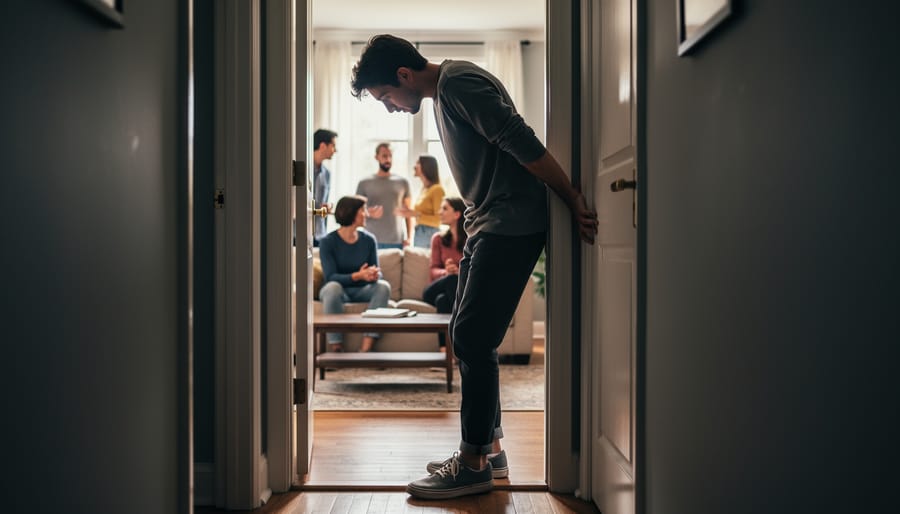
When anxiety becomes severe, it doesn’t just affect how you feel, it changes what you do. Many people start avoiding situations that trigger anxiety, from crowded spaces to work meetings to social gatherings they once enjoyed. You might cancel plans repeatedly, stop answering phone calls, or find reasons not to leave home. Some people can’t maintain employment or attend school consistently because anxiety makes functioning in those environments impossible.
Sleep becomes disrupted in unpredictable ways. You might lie awake for hours with racing thoughts, wake multiple times during the night, or sleep excessively as an escape. Eating patterns shift too, some people lose their appetite entirely, while others eat compulsively to soothe themselves.
Perhaps most concerning is the development of unhealthy coping behaviors. This might include drinking alcohol to calm nerves, using cannabis or other substances to numb anxiety, or engaging in compulsive behaviors like excessive checking, cleaning, or spending. These patterns offer temporary relief but worsen anxiety over time and can create additional health problems.
If you’ve noticed these behavioral changes taking over your life, it’s a clear signal that your anxiety has reached a level requiring professional support.
How Severe Anxiety Differs from Everyday Worry
We all worry. A job interview makes your palms sweat. Money troubles keep you up at night. A health scare sends your mind racing. That’s normal anxiety doing exactly what it’s designed to do: alerting you to threats and motivating you to handle them. But severe anxiety is a different beast entirely.
Normal worry has a clear trigger and proportional response. You’re nervous before a presentation, then the feeling fades once it’s over. Severe anxiety, by contrast, persists without a specific cause or continues long after a stressor has passed. It doesn’t just visit during tough moments; it moves in and takes over, disrupting your ability to function in daily life.
The intensity matters too. Everyday worry might make you feel uncomfortable or distracted. Severe anxiety produces physical symptoms so intense you might mistake them for a medical emergency: chest pain that sends you to the ER, breathing so labored you’re convinced something is catastrophically wrong, panic so overwhelming you can’t leave your house.
Healthcare professionals use standardized tools to measure this difference. The Generalized Anxiety Disorder-7 (GAD-7) is a seven-question screening that asks how often anxiety symptoms have bothered you over the past two weeks. Each response gets a score from 0 to 3. GAD-7 score thresholds classify results as minimal (0-4), mild (5-9), moderate (10-14), or severe (15-21) anxiety. A score of 15 or higher signals severe symptoms that warrant immediate clinical attention.
Recent data shows that 5% of Canadians severe anxiety symptoms meet this threshold, with another 10% reporting moderate symptoms. Among Canadian youth, the rates climb even higher. These aren’t just numbers. They represent people whose anxiety has crossed from manageable discomfort into territory that damages health, relationships, and quality of life.
If your anxiety dictates major life decisions, if you’ve restructured your world to avoid triggers, if physical symptoms are constant rather than occasional, you’re likely dealing with something beyond everyday worry. That distinction isn’t about judging the severity of your struggle. It’s about recognizing when the strategies that work for normal stress won’t be enough, and when professional intervention can genuinely change your trajectory.
Why Severe Anxiety Symptoms Deserve Immediate Attention
Severe anxiety does more than disrupt your day. Left unaddressed, it sets off a cascade of health consequences that compound over time, affecting nearly every aspect of your life.
Your cardiovascular system bears a heavy burden under persistent severe anxiety. Chronic stress hormones keep your heart rate elevated and blood pressure high, increasing your risk for heart disease and stroke. Your immune system weakens, making you more susceptible to infections and slower to heal. Many people with untreated severe anxiety develop chronic pain conditions, including tension headaches, back pain, and fibromyalgia, as their muscles remain perpetually contracted.
The mental health impacts run equally deep. Severe anxiety and depression frequently occur together, with each condition intensifying the other. Research shows that people experiencing severe anxiety are at significantly higher risk for developing substance use disorders as they search for relief. When 5% of Canadians report severe anxiety symptoms according to screening data, we’re looking at hundreds of thousands of people potentially facing these compounding risks.
Your relationships suffer under the weight of severe anxiety. Constant worry and avoidance behaviors strain connections with partners, family, and friends. At work, concentration difficulties and absenteeism can derail your career progress. The quality of life erosion is measurable: difficulty enjoying activities you once loved, withdrawal from social engagement, and a pervasive sense that you’re missing out on your own life.
Here’s what matters most: these consequences are preventable. Treatment for severe anxiety works, and it works better when started earlier. Reaching out for help isn’t admitting defeat. It’s recognizing that you deserve support for a genuine medical condition, just as you would seek treatment for diabetes or a broken bone.
The Connection Between Nutrition, Lifestyle, and Severe Anxiety
While professional treatment remains essential for severe anxiety symptoms, research shows that nutrition and lifestyle factors can significantly influence how your nervous system responds to stress. Think of these strategies as laying the foundation that makes treatment more effective, not as replacements for professional care.
Your gut produces about 90% of your body’s serotonin, the neurotransmitter that regulates mood and anxiety. When your digestive system is inflamed or your microbiome is out of balance, it directly affects your brain’s chemistry. Eating whole foods rich in fiber, fermented foods like yogurt or kimchi, and reducing processed sugars helps support this gut-brain axis. Food prep routines that prioritize vegetables, lean proteins, and complex carbohydrates can stabilize both your gut health and blood sugar levels throughout the day.
Blood sugar crashes trigger your body’s stress response, releasing cortisol and adrenaline that mimic anxiety symptoms. Skipping meals or loading up on refined carbs creates a roller coaster that amplifies existing anxiety. Eating balanced meals every three to four hours, pairing protein with carbohydrates, and choosing whole grains over white bread or pastries keeps your blood sugar steady and your nervous system calmer.
Caffeine and alcohol deserve special attention. That extra coffee might seem necessary when anxiety is disrupting your sleep, but caffeine directly stimulates your fight-or-flight response and can worsen physical anxiety symptoms for hours after consumption. Alcohol might temporarily numb anxiety, but it disrupts sleep architecture and causes rebound anxiety the next day, creating a cycle that intensifies symptoms over time.
Nutrient deficiencies can worsen anxiety severity. Magnesium supports over 300 biochemical reactions including those that calm your nervous system. B vitamins, particularly B6 and B12, are essential for neurotransmitter production. Omega-3 fatty acids reduce inflammation that affects brain function. While supplements should not replace professional treatment, addressing deficiencies through food or targeted supplementation under medical guidance can support your recovery.
Movement directly regulates your nervous system. Simple exercise like walking, swimming, or yoga helps metabolize stress hormones and triggers the release of endorphins. Understanding how exercise metabolism works shows why even 20 minutes of movement can shift your physiological state. You do not need intense workouts; gentle, consistent activity works better for anxiety than pushing yourself to exhaustion. Explore fitness tips that emphasize sustainability over intensity when you’re managing severe symptoms.
These lifestyle factors work alongside therapy and medication, not instead of them. Small changes compound over time, supporting your nervous system’s capacity to heal.
When and How to Seek Professional Help for Severe Anxiety
Recognizing when you need professional support isn’t always straightforward, especially when anxiety has gradually worsened over time. If severe anxiety symptoms interfere with your work, relationships, or daily activities for more than two weeks, professional help becomes essential. The same applies if you experience frequent panic attacks, find yourself avoiding places or situations you once enjoyed, or notice that your coping strategies (like alcohol or excessive sleep) are causing additional problems.
Your family doctor represents the best starting point for most Canadians. They can assess your symptoms, rule out physical health conditions that mimic anxiety, and refer you to appropriate mental health services. Many provinces also offer direct access to psychological services through community mental health centers, though wait times vary considerably.
- Acknowledge that your symptoms warrant professional attention. Write down specific examples of how anxiety affects your daily life before your appointment.
- Book an appointment with your family doctor or visit a walk-in clinic if you don’t have a regular physician. Be honest about the severity and duration of your symptoms.
- Describe your physical symptoms, emotional experiences, and behavioral changes clearly. Mention if anxiety runs in your family or if recent life events may have contributed.
- Discuss treatment options, which typically include therapy, medication, or both. Ask about wait times for referrals and alternative resources if delays are significant.
- Follow through with recommended treatments and schedule a follow-up appointment within four to six weeks to assess progress and adjust the plan if needed.
Cognitive Behavioral Therapy (CBT) remains the gold standard for treating severe anxiety, with research consistently showing significant symptom reduction. CBT helps you identify thought patterns that fuel anxiety and teaches practical skills to manage physical symptoms and challenging situations. Many Canadians benefit from medication alongside therapy, particularly selective serotonin reuptake inhibitors (SSRIs) which can reduce symptom intensity while you develop coping skills.
Treatment typically requires several months before you notice substantial improvement, though some people experience relief within weeks. Setbacks happen and don’t mean treatment has failed. If your first attempt doesn’t work, different medications, therapy approaches, or therapists might make the difference. Recovery isn’t linear, but with appropriate professional support, the vast majority of people with severe anxiety see meaningful improvement in their quality of life.
Crisis Resources for Canadians Experiencing Severe Anxiety
If you’re experiencing a severe anxiety episode and need immediate support, help is available right now. Reaching out during a crisis isn’t a sign of weakness, it’s a practical step toward getting the support your body and mind need.
Canada offers several 24/7 crisis helplines staffed by trained professionals who understand severe anxiety. The Mental Health Helpline (1-877-303-2642) provides immediate support across Canada any time of day. If you’re in Alberta, you can also reach Health Link at 811 for 24/7 health advice, or contact region-specific lines: the Edmonton Crisis Line at 780-482-HELP (4357) or Calgary’s at 403-266-HELP (4357).
For those whose anxiety involves substance use as a coping mechanism, the Addictions Helpline (1-866-332-2322) offers specialized 24/7 support. Your family doctor or local hospital emergency department can also provide immediate assessment and referral if symptoms feel unmanageable.
These services are confidential, free, and designed specifically for moments when anxiety symptoms become overwhelming. The professionals on these lines won’t judge you, they’ll listen, help you feel safer, and guide you toward the next steps. Having these numbers saved in your phone before a crisis hits can make reaching out easier when you need it most.
If you’re experiencing severe anxiety symptoms, know this: what you’re feeling is real, it matters, and it’s treatable. You’re not broken, weak, or overreacting. Severe anxiety is a legitimate health condition that affects millions of Canadians, and reaching out for help is one of the strongest decisions you can make.
Start where you are. That might mean booking an appointment with your doctor this week, calling a crisis line when symptoms feel overwhelming, or beginning with small, sustainable changes to your daily routine. Recovery doesn’t follow a single path, and it doesn’t happen overnight. What matters is taking that first step, however small it feels.
You don’t have to navigate this alone. Professional treatment works, support systems exist throughout Canada, and lifestyle strategies can complement your recovery. Whether you’re dealing with persistent worry, panic attacks, or physical symptoms that disrupt your life, effective help is available.
Your quality of life matters. The symptoms you’re experiencing don’t have to define your future. With the right support and personalized approach, you can reclaim the peace, connection, and joy that severe anxiety has taken from you. That journey starts now.