
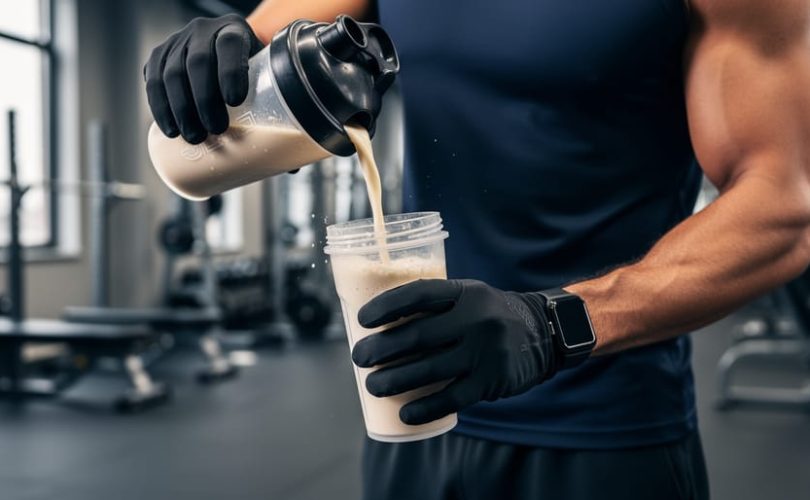
For most people, the ideal window to drink Optimum Nutrition Gold Standard 100% Whey is within 30 to 60 minutes after your workout. This post-exercise period maximizes muscle protein synthesis, helping your body repair and build lean tissue when it’s primed to absorb nutrients most efficiently.
That said, your personal goals shift this timing considerably. If you’re aiming to build muscle mass, that post-workout shake remains your priority. But if weight loss is your focus, you might find better results using it as a high-protein breakfast or mid-afternoon snack to manage hunger and preserve muscle during a calorie deficit. Athletes training twice daily often benefit from splitting their serving between morning and post-workout windows.
The science behind protein timing has evolved. While the classic “anabolic window” isn’t quite as narrow as once believed, strategic timing still matters for optimizing your results. Your total daily protein intake remains the foundation, but when you consume ON Gold Standard can influence energy levels, recovery speed, and how satisfied you feel throughout the day.
This guide walks you through the main timing windows backed by current research, explores the factors that should influence your personal schedule, and provides practical mixing strategies so your shake fits seamlessly into your routine.
The Quick Answer: Best Times to Take Gold Standard Whey

Most people get the best results taking Optimum Nutrition Gold Standard Whey within 30 minutes after their workout. This post-exercise window is when your muscles are primed to absorb amino acids for recovery and growth. The fast-digesting whey protein formula hits your bloodstream quickly, delivering 24 grams of protein right when your body needs it most.
Morning consumption works well if you train later or want to preserve muscle after sleeping. Taking your shake first thing stops muscle breakdown from the overnight fast and jumpstarts your metabolism. It’s especially useful if you skip breakfast or have a long gap before your first meal.
Pre-workout timing (30-60 minutes before training) ensures amino acids are circulating in your bloodstream during your session. This approach supports energy and reduces muscle breakdown while you’re actually lifting or training. Just keep the timing far enough out that you don’t feel full or uncomfortable during intense exercise.
Your personal schedule and training goals will determine which window works best. Many Canadians with busy mornings prefer post-workout shakes, while early trainers often split their protein between pre-workout and later in the day. The right choice fits your routine and helps you stay consistent.
Understanding Your Timing Windows
The Post-Workout Window (0-30 Minutes)
The post-workout window represents the most widely recommended time to consume your protein shake, and for good reason. During the 30 minutes following resistance training, your muscles are primed to absorb nutrients and begin the repair process. This period sees elevated muscle protein synthesis, the biological process where your body uses amino acids to rebuild and strengthen muscle tissue damaged during exercise.
Gold Standard Whey’s fast-absorbing whey protein concentrate and isolate blend makes it particularly well-suited for this timing. Unlike slower-digesting proteins such as casein, whey delivers amino acids to your muscles rapidly, typically within 20-30 minutes of consumption. This quick delivery helps maximize the body’s heightened receptivity to nutrients immediately after training.
The “anabolic window” concept suggests that consuming protein shortly after training enhances recovery and muscle growth more effectively than waiting several hours. While recent research indicates this window may be wider than once thought, especially if you’ve eaten protein before training, the post-workout shake remains valuable for convenience and consistency.
For most Canadian gym-goers, mixing a serving of Gold Standard Whey right after their workout provides 24 grams of protein when training intensity is highest and motivation to refuel is strong. This timing also helps establish a reliable routine, making it easier to hit daily protein targets without relying on immediate access to whole food meals.
Morning Protein for Muscle Preservation

Your body spends 6-8 hours without protein while you sleep, gradually depleting amino acid reserves and potentially shifting into a catabolic state where muscle tissue breaks down for energy. A morning Gold Standard Whey shake reverses this process within 20-30 minutes, flooding your bloodstream with essential amino acids that signal your body to preserve and build muscle instead.
This timing works particularly well if you train later in the day or can’t stomach a full breakfast immediately after waking. The fast-digesting whey isolate and concentrate blend requires minimal digestive effort compared to solid food, making it gentle on your stomach while delivering 24 grams of protein to halt overnight muscle catabolism.
Morning protein consumption also supports metabolic rate throughout the day. Studies show that high-protein breakfasts increase thermogenesis, the calories your body burns processing food, and improve satiety, which helps Canadian fitness enthusiasts maintain lean mass during calorie deficits. Mix your shake with cold water for fastest absorption, or blend with oats and berries if you prefer a more substantial meal replacement that still prioritizes protein timing.
Pre-Workout Timing (30-60 Minutes Before)

Taking Gold Standard Whey 30-60 minutes before training primes your muscles with readily available amino acids. This timing allows the whey to digest and begin circulating through your bloodstream just as you start lifting, providing a pool of building blocks your muscles can tap into during and immediately after your workout.
The pre-workout approach works especially well for morning exercisers who train fasted or anyone with long gaps between meals and gym time. You’ll arrive at the gym with elevated amino acid levels, which research suggests may reduce muscle breakdown during intense training sessions.
However, timing matters here. Drinking your shake too close to exercise can cause digestive discomfort, nobody wants a sloshing stomach during squats. The 30-60 minute window gives most people enough time to digest comfortably. If you have a sensitive stomach, stick closer to 60 minutes and mix your shake with water rather than milk for faster digestion.
Start with a half serving if you’re new to pre-workout protein. Some people thrive on this approach, while others prefer training light and loading up afterward.
Between-Meal Supplementation
Sometimes the best timing for a protein shake isn’t tied to your workout at all, it’s about bridging nutritional gaps in your daily routine. For busy Canadians juggling work, family, and fitness, between-meal supplementation with Gold Standard Whey offers a practical solution to consistently hit your protein targets without relying solely on whole food preparation.
Using a protein shake between meals helps maintain steady amino acid availability throughout the day, which supports muscle preservation and keeps you feeling satisfied between larger meals. This approach works particularly well when you’ve got a long stretch, say four to five hours, between breakfast and lunch, or between lunch and dinner. Rather than reaching for convenience foods that might be high in empty calories, a quick shake delivers 24 grams of quality protein in about 30 seconds of preparation.
Consider these strategic timing opportunities for between-meal protein supplementation:
- Mid-morning (10-11 AM) if you eat an early breakfast and late lunch
- Mid-afternoon (2-4 PM) to curb pre-dinner hunger and prevent evening overeating
- Late evening (1-2 hours before bed) to support overnight muscle recovery if you train late
- During long work shifts when you can’t access a full meal
The goal isn’t to replace meals but to distribute your protein intake more evenly. If you’re aiming for 150 grams of protein daily, spacing it across four to five smaller doses (including shakes) improves absorption compared to loading most of your protein into just one or two large meals.
Factors That Shift Your Optimal Timing
Your Training Goals and Intensity
Your training goals fundamentally shape when you should consume Gold Standard Whey and how much to use per serving. If you’re focused on building muscle mass, the post-workout window becomes critical, aim for 1-2 scoops (24-48g protein) within 30 minutes after heavy resistance training when muscle protein synthesis peaks. Your body is primed to use those amino acids for repair and growth.
For fat loss goals, timing flexibility increases. Consider a morning shake to preserve lean muscle during a calorie deficit, or use half a scoop between meals to manage hunger without excess calories. The protein helps maintain metabolism while keeping you satisfied.
Endurance athletes benefit from pre-workout timing, one scoop 45-60 minutes before long runs or cycling sessions provides sustained amino acids to prevent muscle breakdown during extended cardio. Recovery shakes matter here too, especially after sessions exceeding 90 minutes.
General fitness enthusiasts can prioritize convenience over precision. One scoop post-workout covers basic recovery needs. Higher intensity workouts demand more protein and tighter timing windows; lighter sessions allow more flexibility in when you drink your shake.
Meal Schedule and Total Daily Protein
Your meal schedule plays a bigger role in protein shake timing than most people realize. If you’re eating five or six smaller meals throughout the day, you might find protein shakes most valuable as convenient meal replacements or snacks. For those following a traditional three-meal pattern, supplementation between meals helps maintain steady amino acid availability.
The key consideration is your total daily protein target, typically 1.6 to 2.2 grams per kilogram of body weight for active individuals. Calculate how much protein you’re getting from whole foods first. If your regular meals only provide 60-80 grams but you need 120 grams, strategically timed shakes fill that gap effectively.
Spreading protein intake across the day optimizes muscle protein synthesis better than loading it all at dinner. Aim for roughly 20-40 grams per feeding opportunity. If breakfast typically lacks protein, a morning Gold Standard shake makes more sense than adding a third post-workout serving. Track your intake for a few days, you’ll quickly see where supplementation creates the most value in your specific eating pattern.
Digestive Comfort and Individual Response
Your body’s unique response to protein timing matters more than any universal recommendation. While Gold Standard Whey uses WPI (whey protein isolate) as its primary ingredient, which naturally contains minimal lactose, some people still experience digestive discomfort depending on when they consume it.
If you notice bloating or stomach upset when drinking your shake immediately before workouts, try moving it to 60-90 minutes prior or switching to post-workout timing instead. Taking protein on an empty stomach works beautifully for some people but causes discomfort for others who need a small snack first.
Experiment systematically over two weeks with different timing windows, keeping other variables constant. Track how you feel during workouts and throughout the day. Your gut response provides valuable feedback, listen to it.
Cold liquids and thorough mixing also improve digestibility. If you’re particularly sensitive, start with half servings and gradually increase as your system adapts. There’s no prize for pushing through persistent discomfort.
Workout Type and Duration
Your workout type fundamentally changes when your body needs protein. A 45-minute strength training session depletes muscle glycogen and creates immediate demand for amino acids, making the post-workout window (within 30 minutes) your priority. Take a full scoop of Gold Standard Whey immediately after your last set.
Cardio sessions under an hour don’t create the same urgent recovery needs. You can wait 60-90 minutes post-workout without compromising results, allowing time for appetite to return. Focus your shake timing around maintaining daily protein targets rather than rushing consumption.
HIIT workouts combine both demands. The intense muscle engagement warrants post-workout protein, but sessions rarely exceed 30 minutes. A half scoop immediately after, followed by a whole food meal within two hours, covers recovery effectively.
Long endurance activities (90+ minutes) benefit from pre-workout protein taken 60 minutes before starting. This provides sustained amino acid availability throughout your session, reducing muscle breakdown during extended effort.
Mixing and Preparation Best Practices
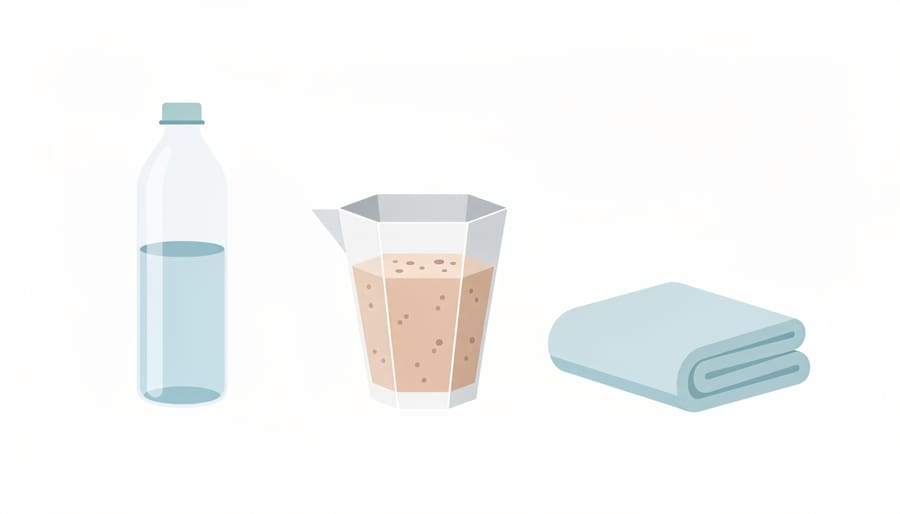
Getting the most from your Gold Standard Whey starts with proper preparation. The right mixing technique ensures smooth texture, great taste, and optimal nutrient absorption.
Choosing Your Liquid Base
Water delivers the fastest absorption and keeps calories minimal, ideal for post-workout when you want protein hitting your muscles quickly. Milk (dairy or plant-based) creates a creamier shake with added nutrients and calories, perfect for morning meal replacements or when you’re using your shake to support weight gain. Unsweetened almond milk offers a middle ground with minimal calories but better texture than water. For the smoothest consistency, use cold liquid and measure 6-8 ounces per scoop.
The Perfect Mixing Method
Your mixing approach dramatically affects texture. Here’s the sequence that prevents clumping:
- Add your liquid to the shaker bottle or blender first, never protein powder first, which causes clumps to stick to the bottom.
- Add one scoop of Gold Standard Whey (the included scoop holds approximately 30g).
- Seal your shaker bottle tightly and shake vigorously for 20-30 seconds, or blend on medium speed for 10-15 seconds.
- Let the shake sit for 30 seconds to allow foam to settle before drinking.
A quality shaker bottle with a wire whisk ball produces better results than bottles without mixing mechanisms. Blender bottles work well for basic shakes, while electric blenders are necessary when adding thicker ingredients.
Enhancing Flavor and Nutrition
Gold Standard Whey mixes well with additions that boost nutritional value. Frozen berries add antioxidants and natural sweetness. A tablespoon of natural peanut butter increases healthy fats and calories for muscle building. Half a banana provides quick-digesting carbs for post-workout glycogen replenishment. A handful of spinach sneaks in extra micronutrients without affecting chocolate or vanilla flavors. Adding ice creates a thicker, milkshake-like texture many Canadians prefer, especially during warmer months.
Avoid over-blending, which creates excessive foam and can degrade some nutrients through heat friction in high-powered blenders.
What to Do After Your Shake: Supporting Recovery and Results
Your shake is just the starting point for effective recovery. What you do in the hours that follow determines how well your body uses that protein to rebuild and adapt.
Hydrate Consistently
Protein metabolism requires water. After taking your Gold Standard Whey shake, drink an additional 500-750ml of water over the next hour. Your kidneys need adequate fluid to process protein efficiently, and your muscles require hydration to complete the repair process.
Follow With Whole Foods
Your next whole food meal should arrive within two to three hours of your shake. If you consumed your protein post-workout, this meal should include complex carbohydrates (sweet potatoes, brown rice, quinoa) to replenish glycogen stores alongside lean proteins and vegetables. The shake bridges the gap, but whole foods provide the full spectrum of nutrients your body needs for complete recovery.
Track Your Response
Pay attention to how you feel and perform. Are your workouts improving? Do you recover faster? Is your energy stable between meals? Give any timing adjustment at least two weeks before evaluating results. Recovery happens gradually, and meaningful adaptations take time to surface.
Adjust Based on Results
If you’re not seeing progress, revisit your total daily protein intake first, timing optimization only matters when your overall nutrition foundation is solid. Consider shifting your shake window if you experience digestive discomfort or poor workout performance. Your optimal timing exists at the intersection of science and personal response.
Common Questions About Gold Standard Whey Timing
Timing questions come up frequently when fitness enthusiasts start supplementing with Gold Standard Whey. Here are answers to the scenarios Canadian users encounter most often.
Should I take Gold Standard Whey on rest days?
Yes, your muscles continue recovering and rebuilding on rest days, so maintaining your protein intake supports that process. Timing is less critical on non-training days, so you can use it as a convenient between-meal option or with breakfast.
How many protein shakes can I have per day?
Most people benefit from one to two servings daily, depending on their total protein needs and whole food intake. Prioritize getting protein from varied sources throughout the day rather than relying solely on shakes.
Can I mix Gold Standard Whey with coffee?
Absolutely, many users enjoy mixing it with cold brew or iced coffee for a protein-rich pick-me-up. The protein won’t clump if you blend or shake it thoroughly, and the combination works well as a morning option or afternoon snack.
Does timing really matter if I’m hitting my daily protein target?
Meeting your total daily protein intake is the most important factor for results. Timing offers an additional edge, particularly around workouts, but it won’t overcome an inadequate total intake or inconsistent training.
When combining Gold Standard Whey with other supplements like creatine or pre-workout formulas, take your protein shake separately from stimulant-based products if you experience digestive discomfort. Creatine mixes well with your protein shake and can be taken at the same time without issue. If you’re using a pre-workout supplement, wait 15 to 20 minutes after finishing it before consuming your shake to avoid an overly full stomach during training.
Drink Optimum Nutrition Gold Standard Whey Timing Terms to Know
- Anabolic Window
- The period immediately after exercise when your muscles are primed to absorb nutrients for repair and growth, typically considered 30-120 minutes post-workout. While research shows this window is more flexible than once believed, consuming protein during this time still supports optimal recovery.
- Muscle Protein Synthesis (MPS)
- The biological process where your body builds new muscle proteins to repair and grow muscle tissue damaged during training. Consuming Gold Standard Whey provides the amino acids needed to maximize MPS rates for several hours after intake.
- Leucine Threshold
- The minimum amount of the amino acid leucine (approximately 2-3 grams per serving) needed to trigger maximum muscle protein synthesis. Each scoop of Gold Standard Whey contains over 5 grams of BCAAs, including leucine, well above this threshold.
- Protein Distribution
- The practice of spacing protein intake evenly throughout the day rather than concentrating it in one or two meals. Research suggests distributing protein across 3-5 eating occasions optimizes muscle maintenance and growth better than uneven consumption patterns.
Understanding these terms helps you make informed decisions about when and how to use your Gold Standard Whey. Rather than getting overwhelmed by technical details, focus on the practical application: your body benefits most from consistent protein intake that aligns with your training schedule and daily routine.
Timing your Optimum Nutrition Gold Standard Whey can give you an edge, but here’s the truth: hitting your total daily protein target matters far more than perfect timing. The research shows that consistent protein intake throughout the day builds the foundation for muscle growth and recovery. The timing windows we’ve explored simply help you maximize what you’re already doing right.
Think of Gold Standard Whey as a reliable tool in your nutrition toolkit, not a magic solution. Whether you prefer post-workout shakes, morning protein boosts, or pre-training fuel, the best timing is the one you’ll stick with consistently. Your body adapts to regular patterns, and sustainable habits always beat perfect theory.
Start with the post-workout window if you’re new to protein timing, then experiment from there. Pay attention to how you feel, track your progress, and adjust based on real results rather than chasing the latest trend. Remember that your whole food meals, hydration, sleep, and training consistency all work together with your protein shake timing.
The Canadian fitness community thrives on finding what works individually. Take these guidelines, test them against your schedule and goals, and build the routine that supports your long-term health habits.