
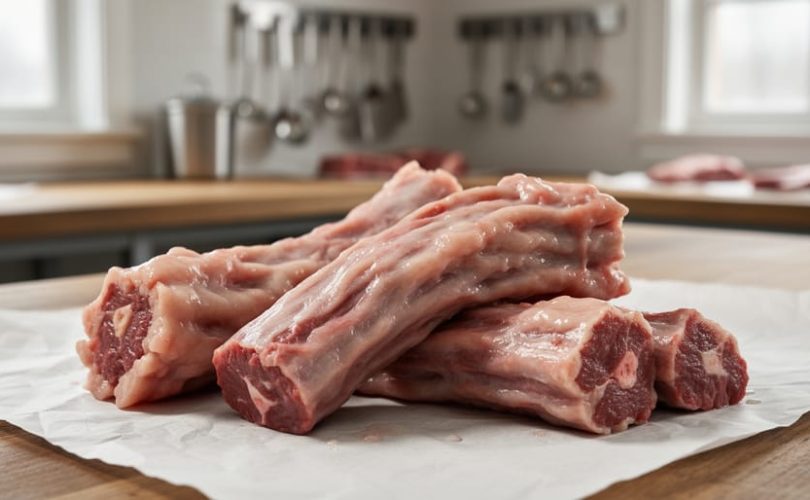
Beef tendon has quietly become one of the most collagen-rich foods available in Canadian markets, delivering approximately 30 grams of protein per 100-gram serving with virtually no fat or carbohydrates. This gelatinous cut contains more than 85% collagen by protein weight, making it dramatically different from conventional muscle meats.
The nutritional profile reads like a collagen supplement in food form. A single serving provides all the amino acids your body needs to synthesize its own collagen, with particularly high concentrations of glycine, proline, and hydroxyproline. These aren’t just numbers on a label. Regular consumption supports joint health, skin elasticity, and gut lining integrity in ways that standard protein sources simply can’t match.
What makes beef tendon especially interesting in 2026 is its versatility. Asian cuisines have used it for centuries, but Western kitchens are catching up fast. Slow-cooked for 3-4 hours, tendons transform from tough connective tissue into melt-in-your-mouth gelatin that absorbs whatever flavors you’re working with. The texture sits somewhere between soft cartilage and firm jelly, which admittedly takes some getting used to.
The micronutrient content includes meaningful amounts of iron, zinc, and selenium, though you’re primarily choosing tendon for its collagen concentration. At roughly 8-12 dollars per kilogram at most Asian markets across Canada, it’s also one of the most affordable sources of bioavailable collagen you’ll find. Whether it deserves a permanent spot in your meal rotation depends entirely on your specific health goals and willingness to experiment with unfamiliar textures.
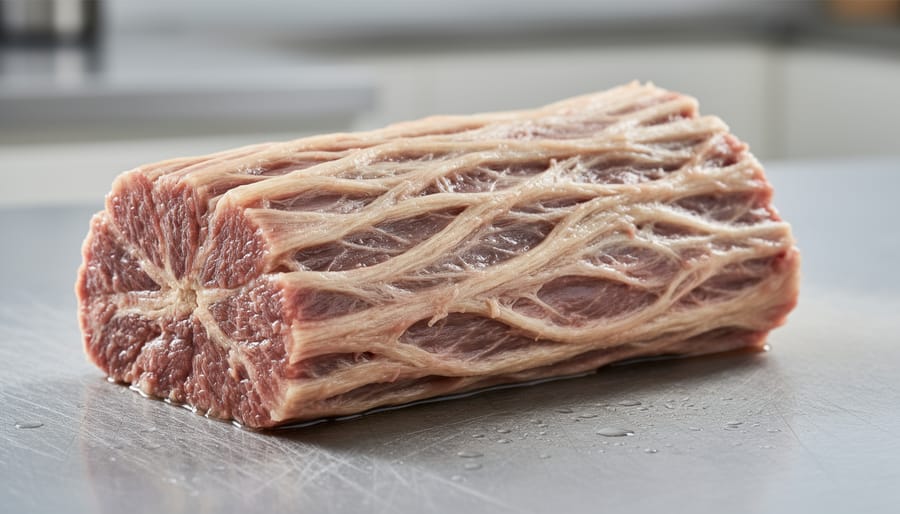
The Complete Nutritional Breakdown of Beef Tendon
Macronutrients: The Protein Powerhouse
When you see “96 percent protein” attached to a food, it’s worth pausing to understand what that actually means for your plate. A 100-gram serving of beef tendon delivers roughly 96 grams of protein with virtually no carbohydrates and only about four percent fat. That’s an exceptionally lean profile, far beyond what you’d find in chicken breast or sirloin steak.
This concentration matters most if you’re working to meet ambitious daily protein targets without adding significant calories or fat. For someone following calorie restrictions while trying to preserve muscle mass, tendon offers a dense protein source at around 146 calories per 100 grams. Compare that to fattier cuts where the calorie count climbs quickly from marbling and rendering fat.
The zero-carbohydrate aspect fits seamlessly into low-carb, ketogenic, or carnivore eating patterns, though it’s worth remembering that collagen-based protein doesn’t provide the same amino acid profile as muscle meat. You’re getting substantial satiety from the protein volume, which helps control hunger between meals, but tendon works best as part of a varied protein rotation rather than your sole source.
For muscle recovery after training, the sheer protein density supports repair and adaptation, especially when paired with complete protein sources throughout the day. The minimal fat content means you can control where your dietary fats come from, adding flexibility to meal planning without sacrificing protein intake.
Essential Minerals You’re Getting
Beyond the impressive protein numbers, beef tendon delivers a spectrum of minerals that support everyday wellness. Sodium aids fluid balance and nerve function, though you’ll want to monitor intake if preparing with added salt. Selenium acts as a powerful antioxidant, protecting cells from oxidative stress and supporting thyroid health. Iron contributes to oxygen transport throughout your body, particularly valuable if you’re managing energy levels through active training.
Potassium helps regulate blood pressure and supports muscle function, making it relevant for both cardiovascular health and post-workout recovery. Calcium, while present in smaller amounts than dairy sources, still contributes to bone density and muscle contraction. These minerals work synergistically rather than in isolation.
For Canadians balancing fitness goals with nutrient density, this mineral profile means beef tendon isn’t just about hitting protein targets. You’re getting functional support for recovery, cellular health, and metabolic processes without the vitamin pill routine. The mineral content varies slightly based on the animal’s diet and age, but the overall profile remains consistently supportive of active lifestyles.
Understanding the Collagen Content: What Makes Tendon Special
How Collagen Fits Into Your Nutrition Goals
When you eat beef tendon, you’re consuming pre-formed collagen that your body can break down into its component amino acids during digestion. These amino acids, particularly glycine, proline, and hydroxyproline, then become building blocks your body uses to synthesize its own collagen where it’s needed most. Think of it as providing your body with premium raw materials rather than forcing it to manufacture everything from scratch.
This matters significantly if you’re training regularly. Your joints, ligaments, and connective tissues face constant stress from workouts, and they rely on adequate collagen synthesis to repair microtears and maintain structural integrity. The about 30% collagen content in beef tendon delivers these specific amino acids in concentrations that typical muscle meats simply don’t provide.
For aging concerns, collagen production naturally declines after your mid-twenties. Incorporating collagen-rich whole foods supports your body’s maintenance of skin elasticity, bone density, and joint cushioning. A 100-gram serving of beef tendon delivers roughly 30 grams of collagen protein alongside those minerals we discussed earlier, creating a nutrient package that addresses multiple wellness priorities at once.
The key is consistency rather than massive quantities. Regular, moderate intake of collagen-rich foods like tendon fits naturally into a balanced protein rotation, supporting recovery and tissue maintenance without requiring supplement purchases or complicated protocols.
Collagen vs. Complete Protein: What You Need to Know
Here’s a nutrition reality check that often surprises people exploring beef tendon as one of the emerging diet trends in 2026: collagen protein and complete protein aren’t the same thing. While beef tendon delivers that impressive 96% protein content, the collagen that makes up roughly 30% of tendon tissue is missing some essential amino acids your body can’t produce on its own.
Collagen is particularly low in tryptophan and methionine, two amino acids crucial for tissue repair, mood regulation, and metabolic function. This doesn’t mean beef tendon lacks nutritional value. It means you’ll want to pair it strategically with complementary protein sources throughout your day.
The fix is straightforward. Combine beef tendon dishes with foods that round out the amino acid profile: quinoa, eggs, chicken breast, legumes, or dairy products. If you’re making a beef tendon soup or stew, adding beans or serving it alongside a grain provides that amino acid balance naturally. Athletes and fitness enthusiasts should be especially mindful of this pairing approach, since complete protein profiles support optimal muscle recovery and adaptation.
Think of beef tendon as a specialized protein source rather than your sole protein for the day. Its collagen brings distinct benefits for joint health and connective tissue, while other proteins fill the amino acid gaps your body needs for everything else.
Preparation Methods That Preserve Nutritional Value
Slow Cooking for Maximum Collagen Release
Slow cooking transforms beef tendon from a tough, rubbery texture into a tender, nutrient-rich addition to your meals. The science behind this comes down to collagen breakdown: when you apply gentle heat over several hours, the tightly-wound collagen fibers unravel and convert into gelatin. This gelatin dissolves into your cooking liquid, making the amino acids and minerals more bioavailable for your body to absorb.
The ideal temperature range sits between 160°F and 180°F (71°C to 82°C). This zone is low enough to prevent the meat from toughening while still activating the collagen breakdown process. Most slow cookers maintain this range on their low setting, making them perfect for hands-off tendon preparation.
Time matters as much as temperature. Plan for a minimum of three hours, though four to six hours produces the best results for both texture and gelatin release. You’ll know the tendon is properly cooked when it yields easily to a fork and the cooking liquid has taken on a slightly thick, silky quality from the dissolved collagen.
The longer cooking time might seem inconvenient, but this method requires minimal active involvement. Set it in the morning, and you’ll return to nutrient-dense protein that supports your joint health and recovery goals.
Bone Broth and Soup Preparations
Bone broth made with beef tendon captures all the collagen and minerals in liquid form, making nutrients highly accessible. Start with 2 to 3 pounds of tendon, cover with cold water, add a tablespoon of apple cider vinegar to help extract minerals, and simmer for 8 to 12 hours. The long cooking time breaks down collagen into gelatin, creating that characteristic gel when chilled.
For a richer broth, add aromatic vegetables in the final two hours. Onions, carrots, and celery contribute flavor without diluting the nutrient density. Season lightly, because tendon naturally contains sodium that concentrates during reduction.
Storage becomes simple when you prep in bulk. Broth keeps five days refrigerated or freeze it in 2-cup portions for three months. Many Canadians pour cooled broth into ice cube trays, creating single-serving portions perfect for adding to sauces or deglazing pans.
Soup preparations work beautifully with pre-cooked tendon. Add sliced tendon to pho, ramen, or hearty vegetable soups during the last 15 minutes. The texture holds up well, and you get all those collagen benefits without starting from scratch each meal. This approach fits busy schedules while maximizing the nutritional payoff from your tendon purchase.
Quick Methods for Busy Schedules
A pressure cooker cuts beef tendon cooking time from hours to 45-60 minutes while still releasing collagen and preserving nutrients. Set your Instant Pot to high pressure for 50 minutes, then allow natural release for 10 minutes. The high-pressure environment breaks down connective tissue efficiently without compromising the protein content or mineral profile.
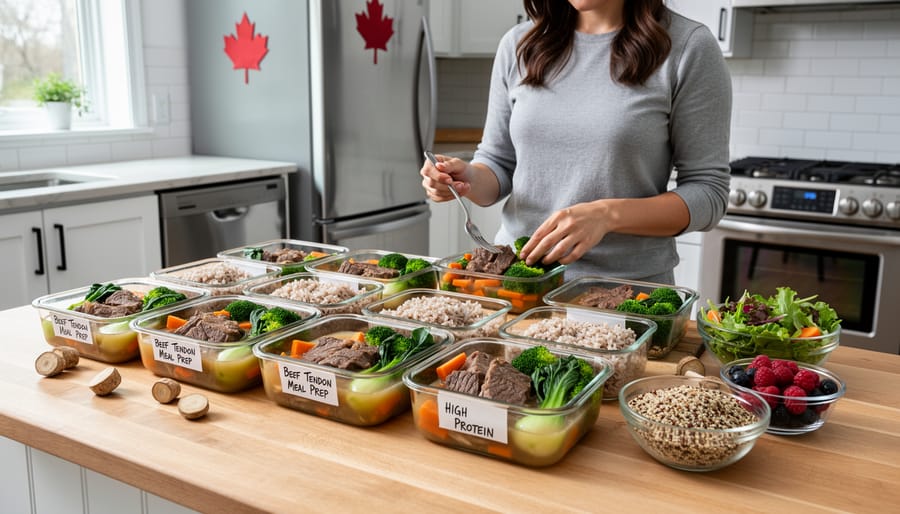
For meal prep, cook a batch on Sunday and refrigerate portions in the cooking liquid to maintain moisture. The gelatin-rich broth sets when cold, creating ready-to-reheat portions that work for weeknight stir-fries or quick noodle bowls. You can also freeze cooked tendon for up to three months.
If you’re truly pressed for time, look for pre-sliced tendon at Asian markets, which reduces cooking time by 10-15 minutes. Thinner pieces reach that tender, nutrient-rich state faster while delivering the same collagen benefits that make beef tendon worth adding to your rotation.
Who Benefits Most from Adding Beef Tendon to Their Diet
Beef tendon isn’t for everyone, but specific groups stand to gain significant benefits from its unique nutritional profile.
Athletes and active Canadians engaged in regular strength training or high-impact sports benefit substantially from the combination of concentrated protein and collagen. The 96 percent protein content supports muscle repair, while the 30 percent collagen concentration helps maintain the connective tissues that take a beating during intense workouts. Endurance athletes, in particular, may find the joint-protective properties valuable for long-term tissue health. Recovery becomes more comprehensive when you’re supporting both muscle and the structures that hold everything together.
People managing joint discomfort or focused on preventive joint health represent another ideal group. As we age, our bodies produce less collagen naturally, making dietary sources increasingly valuable. Those dealing with osteoarthritis, recovering from joint injuries, or simply wanting to protect their knees, shoulders, and hips for the long haul should consider incorporating tendon regularly. The collagen becomes bioavailable when cooked properly, delivering the raw materials your body needs for cartilage maintenance.
Low-carb and ketogenic dieters often struggle to find protein sources that fit their macros without added fats they don’t want. Beef tendon’s zero carbohydrates and minimal fat content make it a strategic addition. You get substantial protein without disrupting ketosis or exceeding fat targets, which matters when you’re tracking macros carefully.
Budget-conscious Canadians seeking alternative protein sources will appreciate that beef tendon typically costs far less per gram of protein than conventional cuts. It requires longer cooking times, yes, but batch preparation solves that constraint. Check our food prep guide for strategies on preparing larger quantities efficiently. A Sunday afternoon spent braising tendon can yield protein for multiple meals throughout the week.
Those exploring nose-to-tail eating and sustainable food choices align naturally with tendon consumption. Using cuts that often go to waste reduces environmental impact while delivering exceptional nutrition. It’s a practical way to honor the whole animal and access nutrients many Canadians overlook entirely.
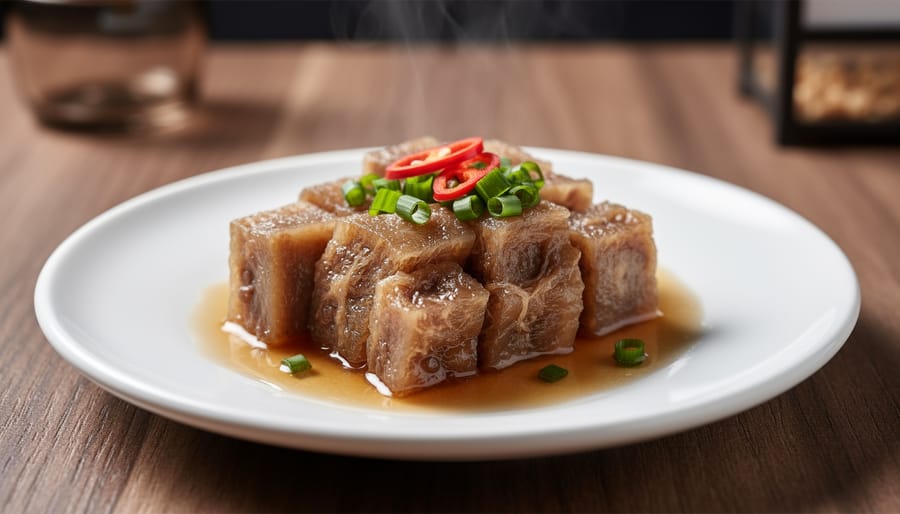
Sourcing Quality Beef Tendon in Canada
Finding quality beef tendon in Canada requires knowing where to look and what signs indicate freshness. Your best bet starts with local butcher shops, particularly those specializing in whole-animal butchery. Many butchers will set aside tendons if you call ahead, since they’re not always displayed with conventional cuts. Expect to pay between $3 and $6 per pound when buying directly from butchers, though prices vary by region and whether you’re purchasing Achilles tendon or smaller connective tissue pieces.
Asian grocery stores and markets represent another reliable source, especially in cities with established Chinese, Vietnamese, or Korean communities. These markets typically stock frozen beef tendon year-round, often pre-sliced for soups and stews. The frozen options work perfectly for slow-cooking applications and eliminate the preparation step of cleaning fresh tendon.
Online meat suppliers have expanded their offerings in 2026, with several Canadian farms now shipping frozen tendon directly to consumers. This option works well if local sources prove difficult, though shipping costs add to the overall expense.
Quality indicators are straightforward. Fresh tendon should appear white to pale yellow with a firm, smooth texture and no strong odor beyond a mild, clean meat smell. Avoid any pieces with dark discoloration, excessive sliminess, or off-putting smells. When buying frozen, check that the packaging is intact without freezer burn.
For those exploring tendon as part of broader nutrition goals, combining traditional cooking methods with guidance from fitness how-tos can help integrate this protein source effectively. Store fresh tendon in the refrigerator for up to two days or freeze for up to three months in airtight packaging.
Potential Considerations and Consumption Limits
Beef tendon’s chewy, gelatinous texture after cooking isn’t for everyone. If you’re used to tender cuts of meat, the first bite might feel unfamiliar. The texture softens considerably with proper slow cooking, but it retains a firmness that some find off-putting. Consider starting with small amounts mixed into soups or stews rather than making tendon the centerpiece of your first meal.
Time commitment is real. Unlike chicken breast or ground beef, you can’t rush tendon preparation. Even with a pressure cooker, you’re looking at minimum 45 minutes to achieve that tender, collagen-rich consistency most people find palatable. Traditional braising methods require three to four hours. If you’re juggling work, family, and fitness goals, this extended cooking time needs factoring into your meal planning. Batch cooking becomes essential, similar to how you might prep frozen veggies for the week ahead.
Watch sodium levels in pre-prepared versions. Restaurant-style beef tendon dishes and packaged options often contain high sodium for flavour and preservation. If you’re monitoring blood pressure or following specific dietary restrictions, cooking tendon at home gives you control over salt content. A 100-gram serving of plain, home-cooked tendon contains naturally occurring sodium but nothing excessive.
Portion-wise, treating beef tendon like any other protein source makes sense. A serving of 100 to 150 grams provides substantial protein and collagen without overdoing calories. Some people experience mild digestive adjustment when first adding collagen-rich foods to their routine. Start with smaller portions twice weekly and increase gradually if your body responds well.
Beef tendon deserves a place in your 2026 nutrition toolkit. With 96% protein, 30% collagen, and essential minerals packed into just 146 calories per 100 grams, it offers a nutritional profile that stands out from conventional protein sources. Whether you’re an athlete focused on recovery, someone managing joint health, or simply looking to diversify your protein intake, this underrated cut delivers real value.
The beauty of beef tendon lies not just in its numbers but in its versatility. Start small if you’re new to it. Try adding it to a weekend bone broth or experimenting with a pressure cooker recipe that fits your schedule. There’s no single right way to incorporate it into your routine.
Your nutrition choices should reflect your individual goals, preferences, and lifestyle. Beef tendon won’t work for everyone, and that’s perfectly fine. What matters is making informed decisions that you can sustain over time. If the preparation methods align with your cooking habits and the nutritional benefits support your wellness objectives, it’s worth exploring.
Think of this as one more option in your protein rotation, not a magic solution. Sustainable health comes from consistent, personalized choices that work for you. Experiment, learn what your body responds to, and build habits you can maintain long-term.