
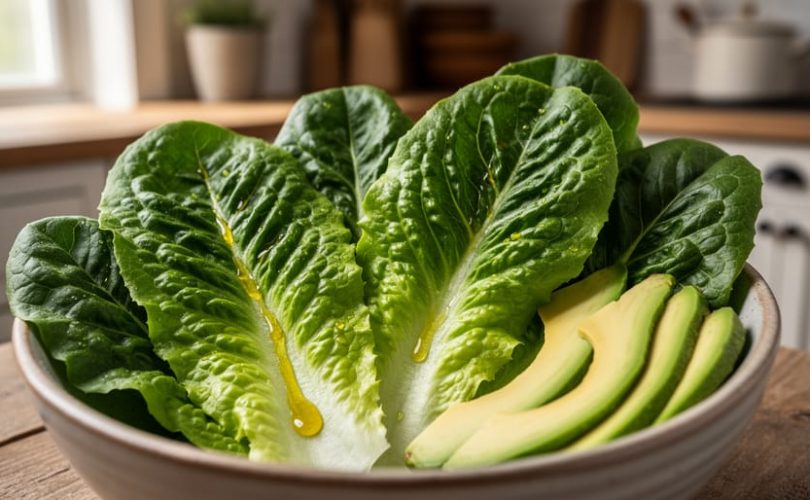
Romaine lettuce nutrition refers to the vitamins, minerals, and beneficial plant compounds found in this crisp, elongated variety of lettuce, which delivers concentrated amounts of vitamin A, vitamin K, folate, and antioxidants while remaining extremely low in calories. As one of the most nutrient-dense salad greens available, romaine stands out for supporting eye health, bone strength, and cellular function through its rich carotenoid and vitamin profile.
If you’re comparing greens at the grocery store or planning meals that truly nourish your body, understanding what romaine brings to your plate helps you make choices that align with your health goals. This leafy green offers more than just crunch and hydration. Its dark green leaves signal the presence of chlorophyll and beta-carotene, compounds your body converts and uses for everything from vision support to immune function.
What makes romaine particularly valuable is how it delivers nutrition without adding significant calories or carbohydrates to your daily intake. You can build substantial salads, wraps, and side dishes that fill you up while contributing essential micronutrients your body needs for daily maintenance and long-term wellness. The darker the leaf, the more concentrated these beneficial compounds become, which is why the outer leaves of romaine typically offer greater nutritional density than the pale inner heart.
This guide breaks down how your body uses the nutrients in romaine, what specific vitamins and minerals you’ll find in each serving, and practical ways to incorporate this versatile green into your routine for maximum benefit.
What Romaine Lettuce Brings to Your Plate
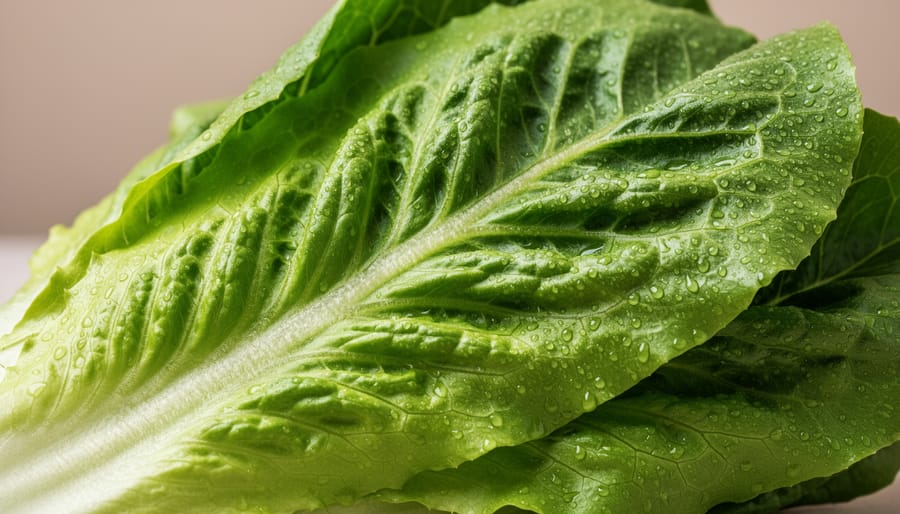
Romaine lettuce nutrition refers to the collection of vitamins, minerals, water, fiber, and protective plant compounds this crisp green delivers with virtually no calories or fat. Unlike denser vegetables that pack energy and macronutrients, romaine’s value lies in its micronutrient density, the vitamins and minerals your body needs in small amounts but can’t produce on its own.
When you bite into a romaine leaf, you’re consuming a package of essential nutrients that support everything from vision and blood clotting to bone strength and cellular repair. The lettuce’s cell structure holds water alongside fat-soluble vitamins, water-soluble vitamins, minerals, and antioxidants that work together once digested.
- Vitamins
- Organic compounds your body requires for normal growth and function. Romaine provides notable amounts of vitamin A (important for eye health), vitamin K (essential for blood clotting and bone metabolism), and folate (crucial for cell division and DNA synthesis).
- Minerals
- Inorganic nutrients that support bone structure, fluid balance, and enzyme function. Romaine contributes potassium for heart and muscle function, along with smaller amounts of calcium, magnesium, and iron.
- Phytonutrients
- Plant compounds like carotenoids and flavonoids that act as antioxidants, helping protect your cells from oxidative stress. These give romaine its colour and contribute to its health-promoting properties beyond basic nutrition.
- Fiber
- The indigestible carbohydrate portion that aids digestion, promotes gut health, and helps you feel satisfied after eating. Romaine provides both soluble and insoluble fiber types.
The high water content in romaine, making up the majority of its weight, contributes to hydration while delivering these nutrients in a low-calorie form. This combination makes romaine particularly valuable for Canadians looking to increase nutrient intake without adding significant calories, whether you’re managing weight, supporting athletic recovery, or simply building a foundation of vegetable-rich eating habits. Understanding what’s actually present in romaine helps you use it strategically rather than viewing it as mere filler.
How Your Body Uses Romaine’s Nutrients
When you eat romaine lettuce, your body immediately begins extracting its nutrients through several interconnected processes. The leafy greens enter your digestive system, where enzymes and stomach acid start breaking down the plant’s cell walls to release vitamins, minerals, and other beneficial compounds.
Fat-soluble vitamins present in romaine require a bit of help to enter your bloodstream. Your body absorbs these vitamins most efficiently when you eat romaine alongside sources of dietary fat. This is why dressing your salad with olive oil, adding avocado slices, or including nuts makes nutritional sense beyond taste, the fat acts as a carrier molecule that helps your small intestine absorb and transport these nutrients to your liver for storage and distribution throughout your body.
The substantial water content in romaine contributes to your daily fluid intake in a way that plain water can’t quite replicate. This water arrives packaged with electrolytes and dissolved nutrients, which your cells can use immediately for hydration. Your kidneys regulate this fluid balance, while your cells absorb the water through osmosis, helping maintain blood volume and support every metabolic process in your body.
Fiber in romaine takes a different journey. Unlike other nutrients, your body doesn’t actually absorb most of the fiber. Instead, it travels through your digestive tract largely intact, adding bulk to waste and feeding beneficial gut bacteria in your colon. These bacteria ferment some of the fiber, producing short-chain fatty acids that nourish your intestinal cells and may support immune function. The fiber also slows digestion, which helps regulate how quickly other nutrients enter your bloodstream and contributes to feelings of fullness that can support healthy eating patterns.
The Nutritional Components That Stand Out
Vitamins and Antioxidants
Romaine lettuce stands out among leafy greens for its vitamin A content, which supports eye health and immune function. The deep green outer leaves contain higher concentrations of this fat-soluble vitamin compared to the pale inner leaves. Vitamin K also appears in generous amounts, playing a crucial role in blood clotting and bone metabolism.
Beyond the major vitamins, romaine provides folate, a B-vitamin essential for cell division and DNA synthesis. This makes it particularly valuable for women of childbearing age. You’ll also find vitamin C, which acts as both a vitamin and an antioxidant, supporting collagen production and helping your body absorb iron from plant sources.
The antioxidant profile extends to compounds like beta-carotene (which your body converts to vitamin A) and lutein. Lutein concentrates in the eye’s macula, where it filters harmful blue light and may reduce age-related vision decline. The darker the leaf, the more antioxidants it typically contains.
These vitamins and antioxidants work together to combat oxidative stress, support cellular repair, and maintain various body systems. Pairing romaine with a source of healthy fat, like olive oil or avocado, enhances absorption of its fat-soluble nutrients.
Minerals and Hydration
Romaine lettuce delivers a modest but meaningful range of minerals that support everyday body functions. Potassium stands out among them, helping regulate fluid balance and blood pressure, valuable for heart health and muscle function. You’ll also find calcium, which contributes to bone strength, and smaller amounts of magnesium and iron that play roles in energy production and oxygen transport. While romaine won’t replace your primary mineral sources, it adds to your daily intake without the calories or sodium found in processed foods.
What truly sets romaine apart is its water content. This leafy green is composed largely of water, making it naturally hydrating and refreshing. That high water content explains why romaine feels crisp and why it works so well in salads on hot days, you’re getting hydration along with nutrients. For Canadians trying to stay hydrated, especially during summer or after exercise, romaine offers a food-based hydration strategy that complements drinking water.
The combination of minerals and water creates practical benefits. The potassium and water work together to support healthy fluid balance, which matters for blood pressure regulation and reducing bloating. The mineral profile, while not concentrated, arrives in a low-calorie package that lets you eat generous portions. This makes romaine particularly useful for weight management, you can fill your plate, feel satisfied from the volume and crunch, and still support your mineral needs without adding significant calories to your day.
How to Use Romaine Lettuce for Maximum Nutrition
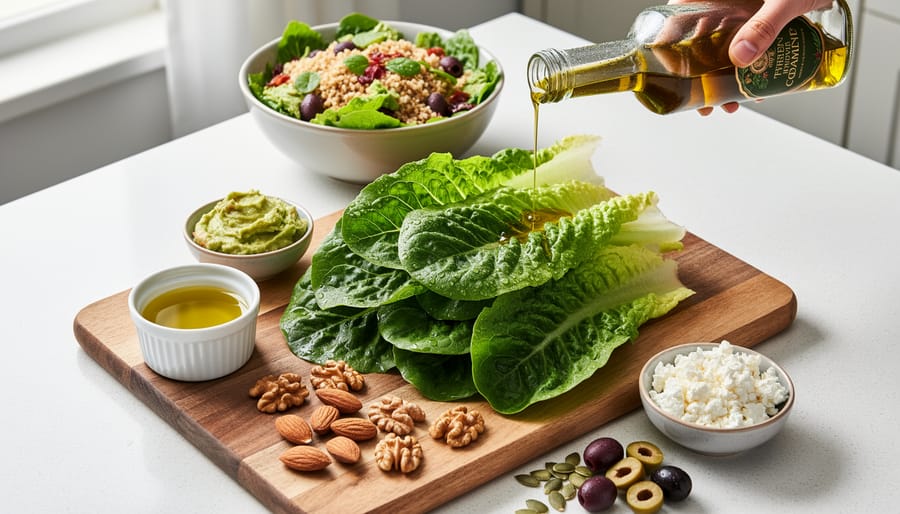
Getting the most nutrition from romaine starts with how you buy, store, and prepare it. Fresh romaine should have crisp, vibrant leaves without browning or wilting. Once you bring it home, proper handling preserves those valuable nutrients.
Here are practical steps to keep romaine at its nutritional best:
- Store unwashed romaine in a breathable produce bag in your crisper drawer to maintain moisture while preventing sogginess
- Wash leaves just before use rather than days ahead, as excess moisture accelerates nutrient loss
- Tear or chop romaine with your hands instead of a metal knife to minimize oxidation of delicate compounds
- Use romaine within five to seven days of purchase for peak vitamin content
The way you serve romaine matters as much as freshness. Fat-soluble vitamins absorb better when paired with healthy fats, so drizzle your romaine with olive oil, add avocado slices, or toss in nuts and seeds. These additions help your body access the vitamin A and K that make romaine nutritionally valuable. For more ideas on nutrient-preserving preparation, see our food prep guide.
Beyond traditional salads, romaine works in grilled preparations, wraps, and even smoothies. Lightly grilling romaine halves adds smoky flavour while keeping nutrients largely intact. Use sturdy romaine leaves as wraps for protein and vegetables, creating a low-calorie vessel that contributes its own nutrition. You can also blend a few romaine leaves into green smoothies for added vitamins without strong flavour.
If fresh romaine is not always accessible, frozen veggies offer reliable nutrition year-round, though romaine specifically is rarely available frozen due to its high water content. When fresh romaine is abundant, focus on variety: rotate it with other leafy greens to diversify your nutrient intake while enjoying its mild taste and satisfying crunch.
Making Romaine Work for Your Health Goals

Romaine’s low-calorie density and high water content make it a practical choice if you’re working toward calorie restriction without feeling deprived. You can fill your plate with generous portions, add satisfying crunch to meals, and stay hydrated while keeping energy intake modest. Pair romaine with lean proteins and healthy fats to build volume and satiety into your eating pattern.
Athletes and active adults benefit from romaine’s hydration and mineral content, especially potassium, which supports muscle function and fluid balance. Add romaine to post-workout meals alongside protein sources, or blend it into smoothies for a nutrient boost that doesn’t sit heavy. For specific training strategies, check out our fitness how-tos.
Older adults looking to support bone health can rely on romaine as a source of vitamin K, which plays a key role in calcium regulation and bone mineralization. Pair it with calcium-rich foods and a vitamin D source to maximize absorption. The fiber in romaine also supports digestive regularity, a common concern as metabolism slows with age.
For heart health, romaine’s potassium helps regulate blood pressure, while its folate supports healthy blood vessel function. The antioxidants in romaine, particularly from its darker outer leaves, may reduce oxidative stress linked to cardiovascular aging.
The key across all goals is consistency and pairing. Romaine works best when combined with complementary nutrients rather than eaten in isolation. Drizzle olive oil on your salad to enhance fat-soluble vitamin absorption, add nuts or seeds for protein and healthy fats, and rotate romaine with other greens to diversify your nutrient intake. Your health objectives determine the context, but romaine adapts easily to nearly any whole-food eating approach.
Common Questions About Romaine Lettuce Nutrition
Readers often wonder how to handle romaine safely and get the most from its nutritional value. Here are answers to the questions we hear most.
Is romaine lettuce more nutritious than iceberg lettuce?
Yes, romaine generally offers more vitamins and minerals than iceberg, particularly when it comes to vitamin A, vitamin K, and folate, thanks to its darker green leaves. Iceberg has a milder flavor and crunchier texture, but romaine delivers more concentrated nutrients per serving.
How should I wash romaine to remove pesticides and bacteria?
Rinse each leaf under cool running water, gently rubbing the surface to dislodge dirt and residue. For extra peace of mind, soak leaves briefly in a clean bowl of water, then pat dry with a clean towel or use a salad spinner.
Can I eat romaine lettuce every day?
Absolutely. Romaine is low in calories and rich in water and nutrients, making it a safe daily choice for most people. Rotating different leafy greens throughout the week adds variety to your nutrient intake.
Does cooking romaine reduce its nutritional value?
Light cooking methods like grilling or sautéing can slightly reduce water-soluble vitamins, but they also make fat-soluble vitamins easier to absorb when paired with a bit of oil. Raw romaine preserves more vitamin C, while cooked romaine may enhance nutrient bioavailability in other ways.
If you’re concerned about recalls, check the Canadian Food Inspection Agency’s website for updates before purchasing. Choosing organic romaine or growing your own can reduce pesticide exposure, though conventional romaine remains a nutritious option when washed properly. Store unwashed romaine in the crisper drawer and rinse just before use to maintain freshness and nutrient content for up to a week.
Romaine lettuce offers Canadians a straightforward way to add nutrient density to everyday meals without complexity or significant cost. Its combination of vitamins, minerals, antioxidants, and hydration makes it a practical choice for anyone working toward sustainable health improvements, whether you’re focused on heart health, bone strength, digestive wellness, or simply eating more vegetables.
The beauty of romaine lies in its versatility and accessibility. You can enjoy it raw in salads, grilled as a side, blended into smoothies, or tucked into wraps and sandwiches. Pair it with healthy fats to boost nutrient absorption, store it properly to preserve freshness, and experiment with different preparation methods to keep meals interesting.
Small, consistent choices matter most for long-term health. Adding romaine to your regular rotation gives you a leafy green that delivers real nutritional value while fitting easily into Canadian kitchens and busy schedules. Trust what the research shows about nutrient-rich vegetables, listen to your body’s response, and build eating patterns that feel sustainable rather than restrictive. Romaine isn’t a miracle food, but it’s a reliable, evidence-backed component of a balanced diet that supports the health goals you’re working toward.