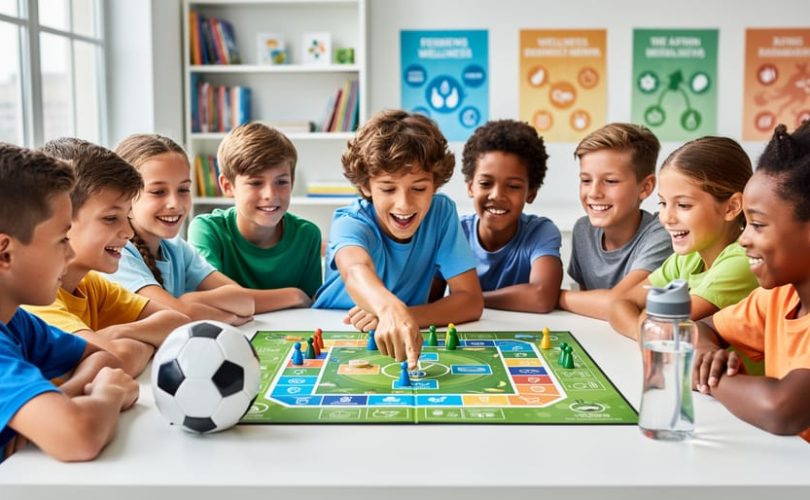
Finding the right educational health games for 10- to 12-year-olds means choosing interactive tools that make nutrition, physical activity, and wellness concepts stick. Eight standout games combine fun gameplay with evidence-based health lessons, giving parents and educators specific options that preteens actually want to play while building lifelong healthy habits.
Kids in this age group learn best when they’re engaged, and well-designed games meet them where they are. They’re developing independence around food choices, forming exercise habits that can last into adulthood, and becoming more aware of how their bodies work. The right game can turn abstract concepts like balanced nutrition or stress management into concrete skills they’ll use every day.
The challenge? Most educational games either talk down to this age group or miss the mark on actual health science. Preteens can spot “babyish” content instantly, and they need more than cartoon characters telling them to eat vegetables. They’re ready for games that respect their intelligence while delivering real information about how their choices affect their energy, mood, and growth.
This guide walks you through eight specific games you can download, purchase, or access online today. Each one teaches different aspects of health, from meal planning and grocery shopping to exercise science and mental wellness. You’ll learn what makes each game effective, how it fits into your child’s learning style, and practical ways to integrate it into daily routines without feeling like homework.
How We Selected These Games
We chose these eight games using clear, practical standards that matter when you’re trying to teach health concepts to preteens. Every game on this list is a real product you can find and use today, not a hypothetical category or wishful thinking about what should exist.
Our selection criteria included:
- Age-appropriate content and challenge level specifically designed for 10-12 year olds
- Clear educational health value in nutrition, fitness, mental wellness, or body awareness
- Accessibility in Canada through app stores, websites, or retail availability
- High engagement factor that holds preteens’ attention without relying on empty rewards
- Evidence of positive impact through user reviews, educator feedback, or research backing
We prioritized games that teach something concrete, whether that’s reading nutrition labels, building consistent movement habits, or practicing mindfulness techniques. Each game had to pass the practical test: can a parent or teacher actually get this, set it up without frustration, and see their child learning while playing?
The games span different health domains because wellness isn’t just one thing. Some focus on physical activity, others on nutrition literacy or emotional regulation. We looked for variety so you can match games to your child’s specific interests and the health concepts you want to reinforce. These aren’t perfect solutions to every health challenge, but they’re legitimate tools that make learning about wellness more engaging than a lecture or worksheet ever could.
1. Zamzee, Activity Tracking Made Motivating
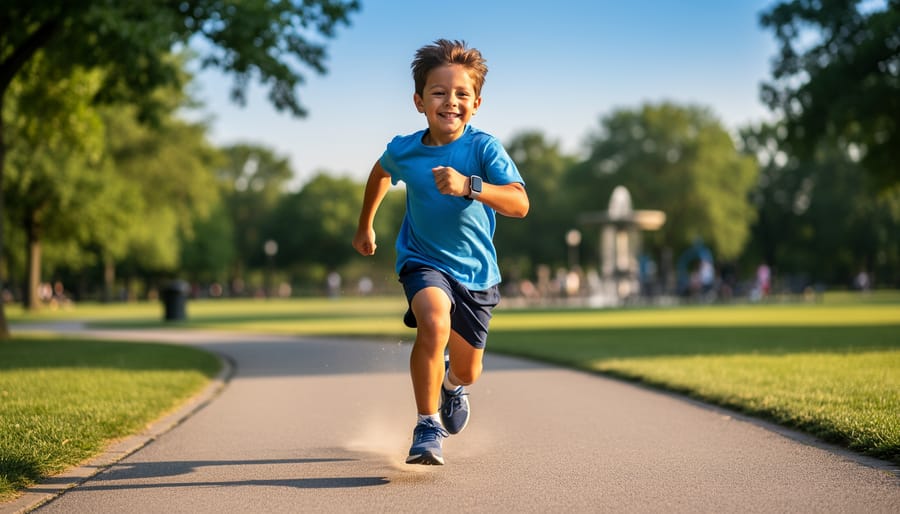
Zamzee combines a wearable activity meter with an online rewards platform to turn daily movement into points kids actually care about earning. The small device clips to clothing and tracks steps, jumps, and active minutes throughout the day. Kids sync their meter to see how much they’ve moved, unlock achievements for hitting activity streaks, and redeem points for real rewards like music downloads, sports equipment, or donations to causes they choose.
The game element works because it makes invisible activity visible. A 10-12 year old can see exactly how Saturday’s bike ride compared to Tuesday’s walk home from school, creating concrete feedback that builds awareness of physical activity patterns. Challenge modes push kids to beat their own records or compete with friends, while the reward system provides motivation beyond “because exercise is good for you.”
What makes Zamzee educational rather than just fun is how it teaches goal-setting and self-monitoring. Kids learn to set realistic activity targets, track progress over weeks, and adjust their habits when they see the data. They start connecting choices (taking stairs versus the elevator, playing outside versus watching TV) to measurable outcomes on their meter. This builds fitness literacy alongside the fitness itself.
The system works particularly well for preteens who are developing more independence in their daily routines and respond to tangible recognition of their efforts. Parents can check progress without nagging, and kids get ownership over their movement goals.
2. Fooducate, Nutrition Label Detective Work
Fooducate turns grocery shopping into an educational detective game where kids scan barcodes with a smartphone to reveal letter grades and detailed nutrition breakdowns for packaged foods. The app decodes confusing ingredient lists, flags added sugars and artificial additives, and suggests healthier alternatives in real time. Kids quickly learn that a cereal box advertising “whole grains” might still pack 12 grams of sugar per serving, or that their favorite snack contains ingredients they can’t pronounce.
The gamification comes through points, badges, and a community feed where users share discoveries and challenge each other to find the healthiest options in different categories. A 10-year-old comparing two yogurt brands will see exactly why one scores a B+ while another gets a D, learning to spot marketing tricks and focus on actual nutrition facts. This hands-on approach builds critical thinking about food choices rather than just memorizing “eat vegetables.”
Parents appreciate that Fooducate teaches skills kids will use for life. When a preteen understands why hydrating cucumbers score higher than fruit gummies claiming to contain “real fruit,” they’re developing nutrition literacy that influences decisions long after they stop playing. The app works in Canadian grocery stores and includes a database of products available here, making it immediately practical for families shopping together.
3. Zombies, Run!, Cardio Through Storytelling
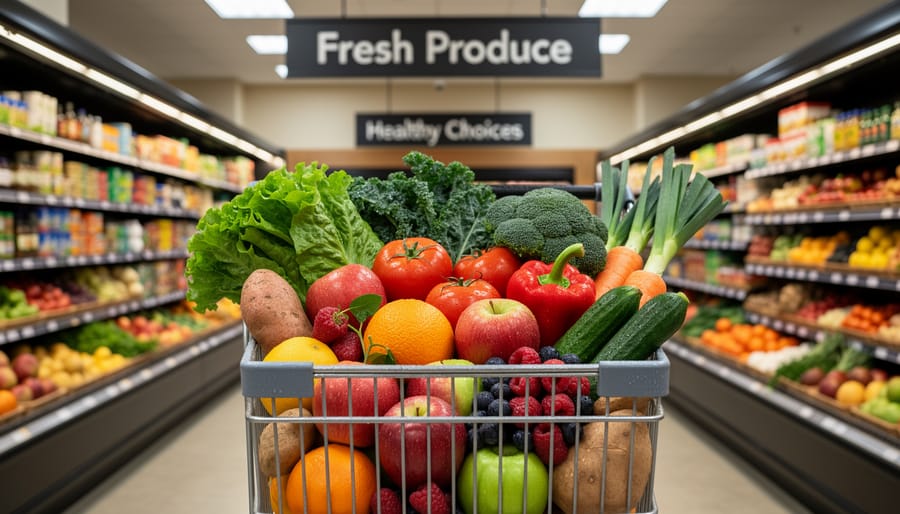
Zombies, Run! turns cardiovascular exercise into an immersive adventure by dropping kids into an audio-driven zombie apocalypse where they must complete missions while actually running or walking outside. The app plays story segments between songs from the player’s own music library, creating urgent scenarios where collecting supplies or outrunning zombies depends on real movement. This narrative hook transforms what might feel like boring cardio into a game with stakes, characters, and plot twists that continue across episodes.
For 10-12 year olds who resist traditional exercise, the storytelling element provides external motivation that builds internal fitness habits over time. Kids focus on the mission rather than the physical effort, making consistent outdoor activity feel less like a chore. The app tracks distance and pace while teaching the connection between regular movement and endurance improvement, concepts that often feel abstract at this age become concrete when tied to mission success.
The educational health value extends beyond cardiovascular fitness itself. Kids learn that sustained movement builds stamina, that consistency matters more than intensity, and that physical activity can genuinely be enjoyable rather than just something adults say is good for them. Much like understanding banana nutrition helps kids make informed food choices, Zombies, Run! helps them experience firsthand how regular cardio supports overall wellness and energy levels throughout their day.
4. Headspace for Kids, Mindfulness and Meditation Practice
Headspace for Kids offers age-specific meditation and mindfulness sessions designed for 10-12 year olds who are navigating increasingly complex social situations and academic pressures. The app breaks down abstract concepts like mindfulness and emotional regulation into concrete, relatable exercises that preteens can actually use when they’re feeling overwhelmed or distracted.
Sessions typically run 5-10 minutes, making them realistic for this age group’s attention span and busy schedules. Kids work through guided meditations that teach breathing techniques, body scans, and visualization exercises. The app uses friendly narration and simple language rather than talking down to users, which helps preteens stay engaged instead of dismissing mindfulness as “kid stuff.”
The educational health value centers on building practical mental wellness skills. Preteens learn to recognize their emotional states, understand the connection between thoughts and feelings, and practice calming techniques they can deploy during stressful moments like tests or conflicts with friends. Regular practice helps develop self-awareness and gives kids tools to manage anxiety and frustration independently.
Headspace for Kids also includes sleep meditations, which address the common preteen challenge of racing thoughts at bedtime. By teaching kids to quiet their minds before sleep, the app supports better rest patterns during a developmental stage when sleep often becomes irregular.
The subscription-based app is available in Canada and works on smartphones and tablets, making it accessible for home or classroom use.
5. MyPlate Match Game (USDA), Interactive Nutrition Education
The USDA’s MyPlate Match Game provides a free, government-backed digital platform where 10-12 year olds learn the fundamentals of balanced eating through interactive challenges. Kids match foods to their correct MyPlate groups, build balanced meals by selecting items from fruits, vegetables, grains, protein, and dairy categories, and complete portion-sizing activities that show what appropriate serving sizes actually look like on a plate.
The game teaches preteens to recognize food groups beyond obvious examples. They learn that beans count as both vegetables and protein, discover that whole grain pasta differs from regular pasta, and understand why MyPlate emphasizes variety within each food group. The meal-building challenges require kids to create nutritionally balanced breakfasts, lunches, and dinners while staying within recommended portions, giving them practical skills they can apply at home and school.
What makes MyPlate Match Game particularly valuable is its accessibility. There’s no subscription fee, no in-game purchases, and it’s developed by nutrition experts at the USDA rather than a commercial entity. Parents and educators in Canada can access it through the website, where it works on tablets, computers, and some mobile devices.
The game progresses from basic food group identification to more complex meal planning scenarios. As kids advance, they encounter real-world situations like building a balanced school lunch or planning a day’s meals that meet nutritional guidelines. This scaffolded approach builds confidence while teaching the practical nutrition literacy that helps preteens make informed food choices independently.
6. GoNoodle, Movement Breaks That Build Habits
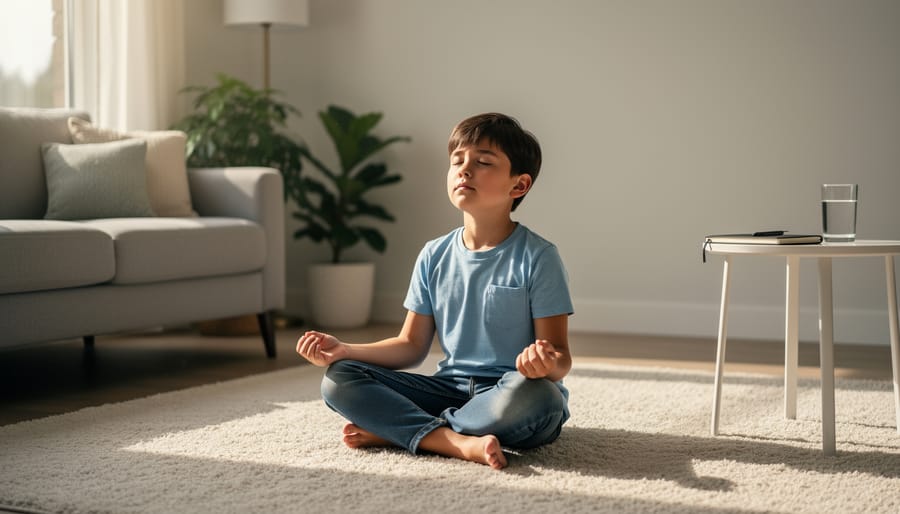
GoNoodle offers a library of movement videos and interactive activities that get kids up and moving in under five minutes. The platform features dance challenges, stretching routines, mindfulness exercises, and high-energy activities set to engaging animations and music. For 10-12 year olds, this means breaking up homework sessions or screen time with quick physical activity bursts that feel more like play than exercise.
The real strength of GoNoodle lies in making movement ridiculously accessible. Kids don’t need equipment, outdoor space, or athletic ability to participate. They can jump into a three-minute dance party between math assignments or do a quick stretching sequence before dinner. This approach teaches preteens that physical activity doesn’t require a gym membership or hour-long commitment. It simply needs to happen throughout the day in whatever form fits the moment.
From a health education perspective, GoNoodle builds body awareness without making kids feel self-conscious. The activities introduce concepts like warming up muscles, controlling breathing, and recognizing how movement affects mood and energy levels. Kids learn to notice when they’ve been sitting too long and develop the habit of seeking movement as a reset tool. The platform’s variety means they can match activities to their current need, whether that’s burning off energy, calming down, or just taking a break from focused work.
7. Smiling Mind, Emotional Wellness Through Guided Programs
Smiling Mind is a free mental wellness app developed by psychologists and educators in Australia, with dedicated programs specifically designed for 10-12 year olds. Unlike generic meditation apps, it offers age-appropriate guided sessions that speak directly to preteen experiences like navigating friendships, managing school stress, and building confidence. The app organizes content into themed programs covering emotional resilience, better sleep habits, and social relationships, areas where this age group particularly needs support.
The emotional resilience module teaches kids to recognize and name their feelings, understand what triggers different emotions, and develop healthier responses to challenging situations. Instead of ignoring uncomfortable feelings, preteens learn to acknowledge them and work through them constructively. The sleep program addresses common issues like difficulty winding down after screen time or anxious thoughts at bedtime, offering practical techniques to establish calming routines.
What makes Smiling Mind especially valuable is its progressive structure. Sessions build on each other, starting with basic breathing awareness and advancing to more complex skills like reframing negative thoughts. Kids can track their practice streak and return to favorite sessions when they need specific support. The app is completely free, requires no subscription, and contains no ads, making it accessible to any family regardless of budget.
Parents appreciate that Smiling Mind teaches skills kids can use independently throughout their day, not just during the app sessions. The techniques translate to real situations: calming nerves before a test, cooling down after an argument with a sibling, or settling the mind for sleep.
8. Nike Training Club Kids, Structured Fitness Fun
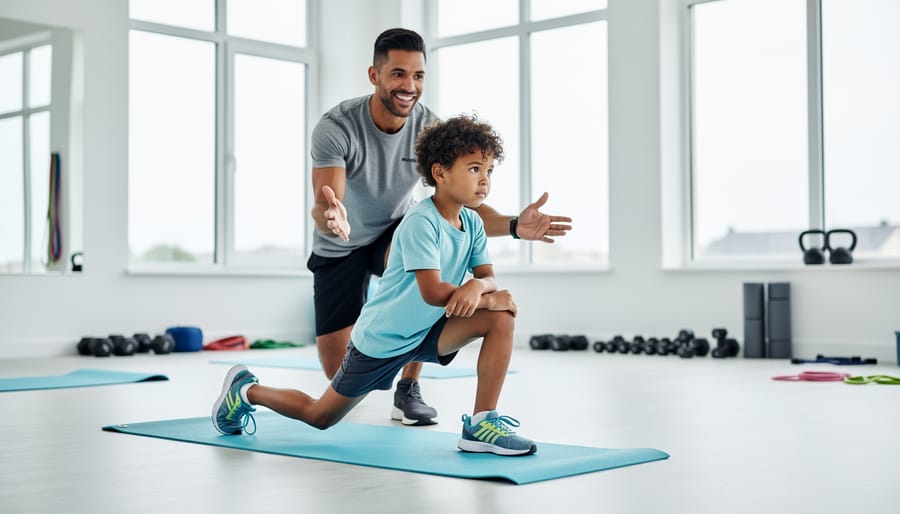
Nike Training Club Kids transforms Nike’s adult fitness app into an accessible platform for 10-12 year olds, offering structured workout routines designed specifically for growing bodies. The app breaks down exercises like squats, planks, and jumping jacks with visual demonstrations that emphasize proper form, teaching kids how to move safely before they develop poor habits. Each workout routine lasts 15-30 minutes and includes age-appropriate modifications, so a preteen can build strength without injury risk.
What sets this app apart is its progression system. Kids start with bodyweight basics and gradually tackle more challenging combinations as they improve. The app tracks completed workouts and offers achievement badges, creating motivation to stick with a routine. This teaches an important wellness concept: fitness isn’t about perfection on day one, it’s about showing up consistently and getting stronger over time.
The guided format removes the guesswork parents often face when trying to teach their kids proper exercise technique. A certified trainer demonstrates each movement on screen, calling out common mistakes to avoid. For 10-12 year olds who are rapidly developing coordination and muscle control, learning correct form now establishes a foundation for a lifetime of safe physical activity.
The app works equally well as structured family workout time or as an independent activity for kids ready to take ownership of their fitness. Either approach helps preteens see exercise as a normal, manageable part of their day rather than a special event.
Making Educational Health Games Part of Your Child’s Routine
Starting these games doesn’t require overhauling your family’s entire schedule. Pick one or two that match your child’s current interests, if they love stories, begin with Zombies, Run!; if they struggle with food choices, try Fooducate first. Set specific times when these games make sense: Headspace for Kids before homework, GoNoodle during after-school slump, or Zamzee challenges on weekends.
Treat screen-based games like Fooducate or MyPlate Match as learning tools with natural endpoints, not open-ended entertainment. When your child finishes scanning labels or completing a nutrition challenge, the session ends, just like finishing homework. For activity apps like Nike Training Club Kids, use them as structured guides rather than replacements for free play, bike rides, or sports.
These games work best as conversation bridges. When your child tracks movement with Zamzee, ask what helped them reach their goal. After a Fooducate grocery trip, discuss one surprising ingredient they discovered. Use Smiling Mind sessions as shared experiences, sit together, try the same breathing exercise, then talk about how it felt.
Model the behaviours these games teach. If your child sees you checking nutrition labels, prioritizing movement, or taking mindful breaks, the lessons stick. Pair GoNoodle movement sessions with your own workout, or discuss protein shake timing after their Nike Training Club routine finishes. Your participation signals that health habits matter at every age, turning games from isolated activities into family wellness practices.
Common Questions About Health Games for Preteens
Educational health games are relatively new territory for many parents, so it’s natural to have questions about their effectiveness and how to use them wisely. Here are answers to the most common concerns parents raise when considering these tools for their preteens.
Do educational health games actually change kids’ behavior?
Games like Zamzee and Fooducate can influence behavior when used consistently as part of broader health conversations and family habits. They work best as tools that spark interest and build skills, not as standalone solutions that replace parent guidance and modeling.
How do I balance screen time concerns with games that teach health?
Choose games that get kids moving away from screens (like Zombies, Run! or GoNoodle) or set clear time limits for screen-based options like Fooducate. The key is ensuring these games add value beyond passive entertainment and that you’re monitoring total daily screen time across all activities.
Which game should I start with for my 10-12 year old?
Start with whichever game matches your child’s current interests and your family’s health priorities. If your preteen struggles with activity, try Zamzee or GoNoodle. If nutrition education is the goal, begin with Fooducate. You’ll see better engagement when the game connects to something they already care about.
How can I tell if a health game is actually working?
Look for signs your child is applying what they learn outside the game, like asking to read food labels at the store after using Fooducate, or choosing to move more after trying Zombies, Run! Real impact shows up in conversations, questions they ask, and choices they make when the game isn’t running.
The transition from elementary to middle school years is when kids start making more independent health choices. Games that teach them to think critically about nutrition, stay active, and manage stress give them practical skills they’ll use for years. Not every game will resonate with every child, so give your preteen some say in which ones to try first.
Remember that these games complement, rather than replace, your role in teaching health habits. Use them as conversation starters at dinner or during car rides. When your child shares something they learned in Fooducate or completes a challenge in Nike Training Club Kids, ask what they noticed or how it felt. That dialogue reinforces the lessons and helps you understand what’s sticking.
These eight games, Zamzee, Fooducate, Zombies Run!, Headspace for Kids, MyPlate Match Game, GoNoodle, Smiling Mind, and Nike Training Club Kids, give you concrete, ready-to-use tools for teaching wellness to preteens in ways that actually hold their attention. Start with one or two that match your child’s current interests or health learning priorities, whether that’s nutrition literacy, fitness habits, or emotional resilience. At this pivotal age, making health education interactive rather than lecture-based helps build the foundation for lifelong wellness habits.
The games listed here meet preteens where they are developmentally, turning health concepts into experiences they can explore at their own pace. Choose the ones that resonate with your child’s learning style, and remember that even small, consistent engagement with these tools can spark meaningful conversations about wellness.