

Stand up for your own mental wellness the same way you’d defend your right to a lunch break or a good night’s sleep. Mental health advocacy starts with you, in your daily choices, and extends outward to how you support the people around you. When you prioritize therapy appointments as seriously as dentist visits, push back on workplace cultures that glorify burnout, or simply tell a friend that rest isn’t laziness, you’re already doing the work.
The connection between mental and physical health runs deeper than most people realize. Your workout routine affects your mood regulation. Your sleep patterns influence your emotional resilience. The foods you choose can support or undermine your mental clarity. Yet we often treat mental health as separate from the body, something to address only in crisis rather than maintain daily.
Advocating for mental health in 2026 means rejecting the outdated split between mind and body. It means recognizing that your morning run might be as valuable for anxiety management as it is for cardiovascular fitness. It means understanding that asking for help, setting boundaries, and protecting your recovery time aren’t indulgences but necessities for sustainable health.
This isn’t about grand gestures or policy debates. Personal advocacy shows up in small, consistent actions: choosing a rest day when you’re mentally exhausted, speaking openly about therapy with colleagues, or challenging the assumption that productivity matters more than wellbeing. These choices create ripple effects, normalizing mental health care in your circles and making it easier for others to prioritize their own wellness.
You already know how to advocate for physical health. Apply that same energy to your mental state.
The Missing Link Between Mental Wellness and Physical Health
Your mental state shapes every health decision you make, often before you’re consciously aware of it. When you’re feeling anxious or overwhelmed, that planned morning workout suddenly feels impossible. When stress builds, reaching for quick comfort foods becomes automatic instead of consulting your food prep guide.
Research suggests the link between exercise and mental wellness works both ways. Physical activity may help support mood and stress management, while positive mental states can make it easier to maintain consistent fitness habits. It’s a relationship, not a one-way street.
This connection shows up in concrete ways. Poor sleep linked to stress can affect recovery from workouts and influence food choices the next day. When you’re mentally drained, decision fatigue sets in, suddenly, choosing between the gym and the couch feels like an impossible choice rather than a straightforward part of your routine.
The habit formation process itself depends heavily on your mental state. Building sustainable wellness habits requires mental bandwidth. If you’re managing untreated anxiety or burnout, even small behaviour changes demand more effort. You’re not weak or unmotivated; you’re working with less available mental resources.
Your body’s stress responses may influence hunger cues and energy levels, though individual experiences vary widely. What matters more than the exact mechanisms is recognizing that your mental wellness affects your physical goals, and your physical health practices can support your mental state. Ignoring either side of this equation makes both harder to maintain.
This is where mental health advocacy becomes relevant to your fitness journey. It’s not about choosing between physical health and mental wellness. It’s about recognizing they’re intertwined, and that advocating for your mental health needs is advocating for your overall wellness goals.

What Mental Health Advocacy Actually Means for You
Mental health advocacy isn’t about organizing rallies or lobbying politicians. For you, it means standing up for your own mental wellness needs within your fitness journey and creating space for others to do the same.
At its core, advocacy in this context has three practical dimensions that connect directly to your health habits:
- Personal Advocacy
- Speaking up for your own mental health needs, whether that’s telling your trainer you need a rest day, setting boundaries around workout intensity, or recognizing when stress is affecting your nutrition choices. It’s treating your mental wellness as seriously as you treat physical recovery.
- Peer Support
- Normalizing mental health conversations within your fitness community by sharing your own experiences appropriately, listening without judgment when others struggle, and creating space for honest discussions about the psychological challenges of lifestyle change.
- Community Awareness
- Contributing to environments where mental wellness is valued alongside physical results, whether that’s choosing gyms with supportive cultures, working with coaches who understand the mind-body connection, or simply modeling self-compassion in how you talk about your own progress.
This approach positions mental health advocacy as part of your self-care routine, not a separate political activity. When you advocate for yourself, you’re acknowledging that sustainable fitness results depend on psychological readiness, not just physical capability. You’re recognizing that pushing through mental exhaustion damages your progress just as surely as training through an injury would.
Supporting others means understanding that everyone’s wellness journey includes mental health challenges. Your workout partner might skip sessions due to anxiety, not laziness. A nutrition plan might fail because of stress-driven eating patterns, not lack of willpower. Advocacy creates room for these realities without judgment, which builds the kind of community where lasting health changes actually happen.
How Mental Health Advocacy Is Growing in 2026
The mental health advocacy movement has gained serious momentum this year, moving from niche conversations to mainstream wellness discussions. In February 2026, more than 300 mental health advocates from over 70 countries gathered in the Philippines for the 4th Global Mental Health Advocacy Forum, with another 1,500 activists joining online. Organized by the Global Mental Health Action Network in partnership with #MentalHealthPH, the forum held February 2026 marked the largest civil society gathering focused on mental health advocacy to date.
For health-conscious Canadians, this growing movement matters because it’s changing how we talk about wellness. Mental health is no longer treated as separate from physical fitness and nutrition. Instead, it’s increasingly recognized as a core component of any sustainable health plan. This shift means more gyms, fitness studios, and wellness programs are integrating mental health awareness into their offerings, from recovery-focused training approaches to coaching that considers stress management alongside nutrition goals.
The conversation has evolved from simply acknowledging mental health to actively creating environments that support it, making it easier for you to find professionals and communities that understand the full picture of wellness.

Simple Ways to Advocate for Your Own Mental Health
Advocating for your mental health starts with the small, everyday choices you make about your wellness routine. You don’t need to launch a campaign or join a movement, the most powerful advocacy happens when you tune into what your mind and body actually need, then act on it.
Start by setting realistic boundaries around your exercise routine. If you’ve committed to five gym sessions a week but find yourself dreading workouts or feeling constantly exhausted, that’s your mind telling you something important. Scale back to three sessions and see how you feel. You’re not being lazy; you’re listening. The exercise tips that work best are the ones you can sustain without sacrificing your mental wellness.
Communicate your needs clearly with trainers, workout partners, and fitness communities. If a training program feels overwhelming or a group class increases your anxiety rather than relieving it, speak up. Say “I need to modify this” or “I’m taking a rest day because I’m mentally drained.” Good coaches and supportive gym buddies will respect that. If they don’t, find people who will.
Prioritize rest and recovery as essential parts of your fitness plan, not optional extras. This means actual rest days where you don’t squeeze in “just a quick workout,” adequate sleep, and giving yourself permission to skip the gym when you’re emotionally overwhelmed. Recovery isn’t just about muscle repair, your nervous system needs downtime too.
Know when to seek professional support. If you notice persistent changes in motivation, sleep patterns, appetite, or mood that last more than a couple weeks, consider talking to a mental health professional. Many extended health plans in Canada cover counseling services, and connecting with a therapist doesn’t mean you’ve failed at self-care. Sometimes advocating for yourself means recognizing when you need expert guidance, whether that’s manage travel stress during busy periods or addressing deeper concerns.
Keep a simple check-in routine. Before each workout, ask yourself: How am I feeling mentally right now? What does my body actually need today? Sometimes the answer is a hard run; other times it’s a walk or complete rest. Advocating for your mental health means honoring both answers equally.
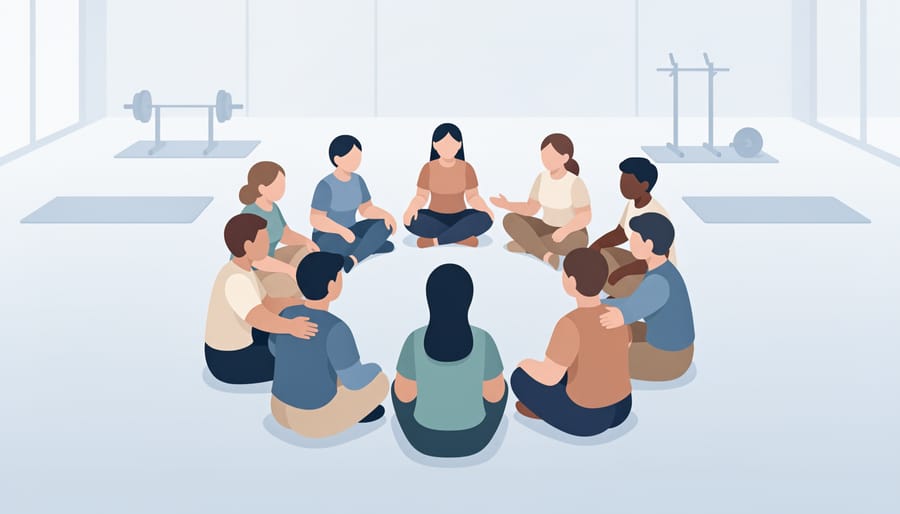
Building Mental Health Support Into Your Fitness Community
Your gym, yoga studio, or running group can be more than a place to log workouts, it becomes a powerful support system when mental wellness is part of the culture. Creating that kind of environment doesn’t require professional training. It starts with small, intentional actions that make it easier for people to show up as they are, struggles included.
Watch for changes in patterns rather than trying to diagnose. Someone who’s usually chatty but suddenly withdrawn, a regular attendee who starts missing sessions, or a friend who’s pushing through workouts with unusual intensity might be dealing with something difficult. You don’t need to have answers. Simply checking in, “I’ve noticed you seem a bit off lately. Want to grab a coffee after class?”, can open a door they’ve been hoping someone would knock on.
Normalize mental health conversations the same way you’d discuss a sore knee or nutrition goals. Share your own experiences with stress, burnout, or difficult periods when it feels appropriate. When mental wellness is treated as a regular part of health, not a taboo topic, others feel safer being honest about their own challenges.
Foster inclusivity by recognizing that mental wellness looks different for everyone. The person who takes frequent breaks during a HIIT class might be managing anxiety, not lacking motivation. Someone choosing a gentler workout after a string of intense sessions might be practicing self-care, not slacking off. Creating space for different needs and paces makes your fitness community a place where people can sustain their wellness journey long-term.
If your current fitness environment feels competitive or judgmental, seek out groups that explicitly value mental wellness alongside physical goals. Many studios and clubs now emphasize holistic health, and online communities offer connection when local options feel limited. You deserve a fitness space that supports your whole health, not just your performance metrics.
Working With Coaches Who Understand the Whole Picture
The right fitness or nutrition professional doesn’t just count your reps or macros, they notice when something’s off and create space for you to address it.
Look for coaches who ask questions that go beyond the physical. When you’re struggling to stick with workouts, do they immediately assume you’re lazy, or do they explore what else might be happening? A coach who understands the whole picture recognizes that sleep problems, stress, relationship changes, or work pressure all affect your capacity for exercise and nutrition changes. They adjust expectations accordingly rather than pushing a one-size-fits-all plan.
Check whether they use encouraging, sustainable language. Coaches who integrate mental wellness awareness avoid shame-based motivation (“no excuses,” “beast mode”) and instead focus on building habits you can maintain long-term. They understand that rest days aren’t weakness and that scaling back when life gets overwhelming is part of progress, not failure.
Notice how they respond when you share challenges. A wellness-aware professional listens without judgment, validates your experience, and helps you problem-solve rather than dismissing concerns. They might ask how you’re feeling about your goals, whether your nutrition plan is creating stress, or if you need to adjust timelines based on your current capacity.
Strong coaches also know their limits. They should recognize when mental health concerns go beyond their scope and encourage you to seek additional support from counselors or therapists when appropriate. They view themselves as part of your wellness team, not the entire solution.
When exploring fitness how-tos and nutrition strategies, prioritize working with professionals who see you as a whole person. The best guidance considers where your head and heart are, not just where your body is. This personalized approach leads to changes that actually stick because they’re built on a foundation that supports your mental wellness alongside your physical goals.
Your Next Steps: Making Mental Health Part of Your Wellness Plan
You’ve learned how mental health advocacy connects to your fitness journey, not as an extra task, but as a fundamental part of sustainable wellness. The strategies we’ve covered aren’t about perfection; they’re about progress. Start with one manageable step this week.
Maybe that’s setting a boundary around rest days, even when your workout streak tempts you to push through. Perhaps it’s having an honest conversation with your trainer about stress levels affecting your performance. Or it could be as simple as checking in with yourself before deciding whether today calls for an intense session or a gentle walk.
Mental wellness doesn’t compete with your nutrition and fitness goals. It supports them. When you prioritize both physical and mental health together, you create the foundation for habits that actually stick, not just for a few motivated weeks, but for years.
Your health journey is uniquely yours. The coaches and community at Health Habits understand that lasting change requires more than meal plans and workout programs. It requires acknowledging the whole person behind the goals. You deserve support that sees you completely, respects your mental wellness alongside your physical health, and adapts to where you are right now.