Educational video games are games designed to teach a skill, build knowledge, or change a habit while you play. In a health context, that means titles that help you learn about nutrition, get moving, manage stress, or make sense of health information, with the fun doing some of the heavy lifting.
They matter because motivation is often the hardest part of any wellness goal. A game that rewards you for balancing a meal, finishing a workout, or practising a calming breathing exercise can make small, steady habits feel a little less like homework. That suits the sustainable, step-by-step approach most of us are really after.
Below, you’ll find real examples sorted by health category: nutrition, fitness, mental wellbeing, and health literacy. We’ll also cover practical ways to use them, from solo play to family routines, and how to pick one that fits your goals, your schedule, and your comfort level. This is a curated look at what’s out there, not a claim that any single game will transform your health. Think of these games as one supportive tool alongside the guidance of your doctor, dietitian, or trainer.
What Makes a Video Game ‘Educational’ When It Comes to Health?
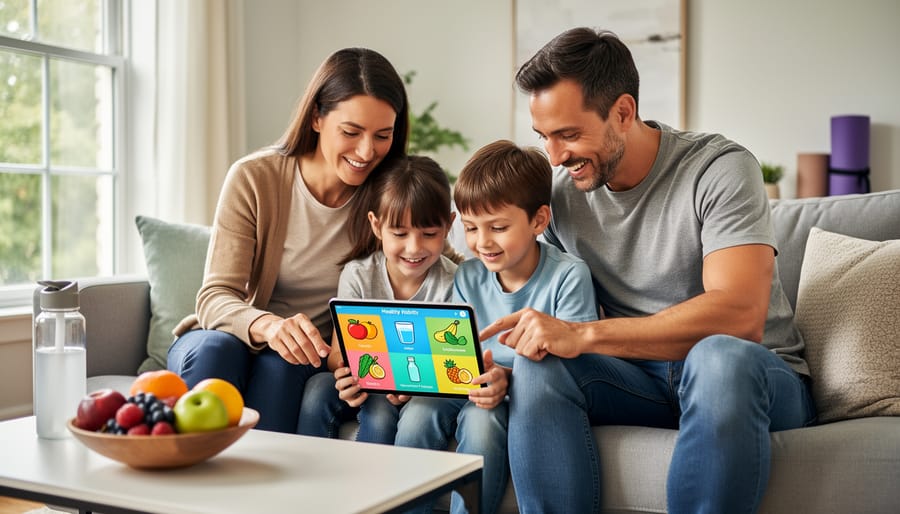
A video game becomes “educational” when it’s built around something the player can actually learn, not just something fun to do. With health topics, that usually comes down to a few ingredients. There’s a clear learning goal (say, understanding balanced meals or pacing a workout). There’s a feedback loop that tells you right away whether you got it right. Rewards are tied to real knowledge or behaviour, so points come from practising the skill rather than just tapping faster. And there’s repeated practice, because one play session rarely sticks.
Here are a few terms you’ll see throughout this guide:
- Educational health game
- A game or app designed to teach you something about nutrition, fitness, mental wellbeing, or health habits while you play.
- Gamification
- Adding game-style features like points, streaks, and badges to an everyday activity to make it more motivating.
- Active video game (exergame)
- A game that gets your body moving as part of play, such as dance or boxing titles.
- Serious game
- A game whose main purpose is learning or training rather than pure entertainment.
- Biofeedback game
- A game that responds to your body, like your breathing or heart rate, to help you notice and adjust it.
So why can play help with habit change? Small wins feel good, feedback is immediate, and you can experiment in a low-pressure space where a mistake costs nothing. That’s a gentle way to build confidence, though it’s not a promise of specific health results.
It’s also worth keeping the bigger picture in mind. Interactive learning works best when digital tools complement coaching instead of standing in for it. A game can teach the “what” and make practice enjoyable, while a coach helps you adapt it to your schedule, goals, and starting point.
Types of Educational Health Games to Know
Nutrition and Cooking Games
Nutrition and cooking games turn everyday food skills into low-pressure practice. Instead of memorizing a food guide, you learn by planning a plate, following a recipe, or comparing labels, then seeing what happens.
Cooking-simulation titles like Cooking Mama and Overcooked teach sequencing, timing, and kitchen vocabulary. Overcooked is a good fit for families or friends, since teamwork and communication are built into every level. Cooking Mama suits beginners who want to get comfortable with basic techniques and ingredient names.
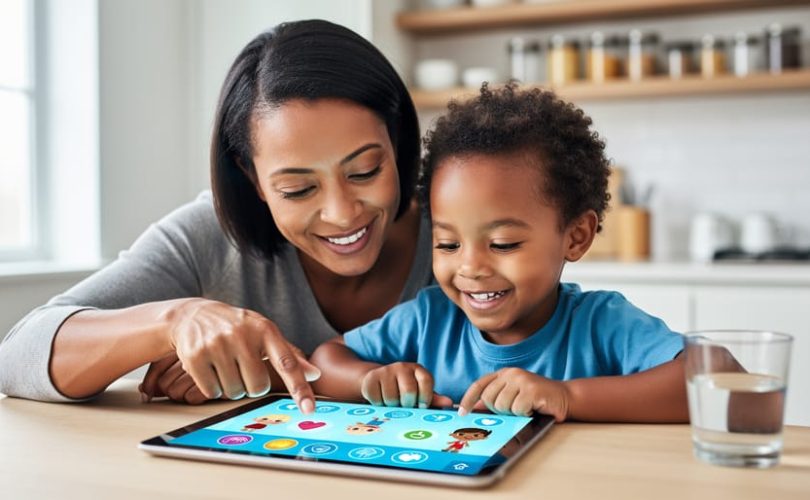
For kids, apps such as Toca Kitchen 2 and Sesame Street’s food-themed activities introduce food groups and balanced plates through open-ended play. They work well as a gentle conversation starter at the dinner table.
Adults building meal-planning confidence may prefer food-tracking and recipe apps with learning features. Some break down ingredients, portion sizes, and nutrients so you can practise reading labels. If you’re curious about how timing fits into your day, our guide on protein shake timing is a helpful companion read.
These are curated picks rather than tested recommendations, so look for the one that fits your skill level and keeps you coming back.
Fitness and Movement Games (Exergames)
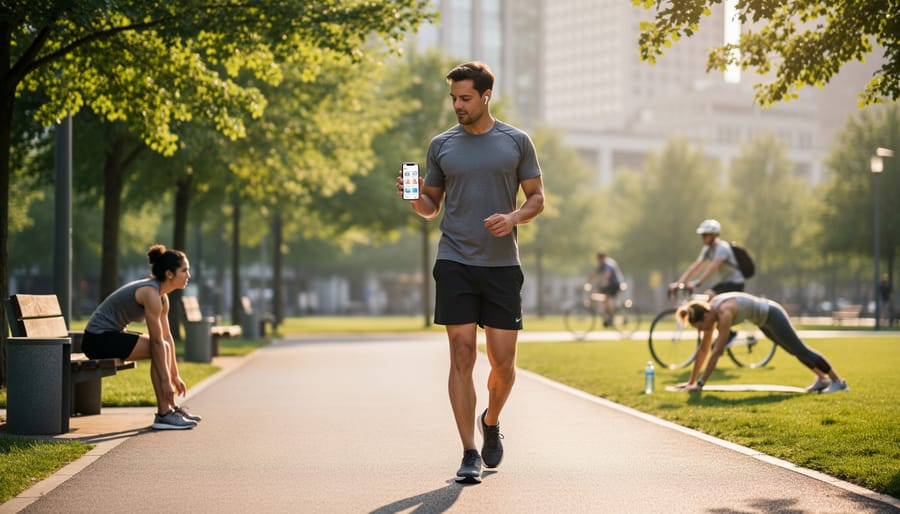
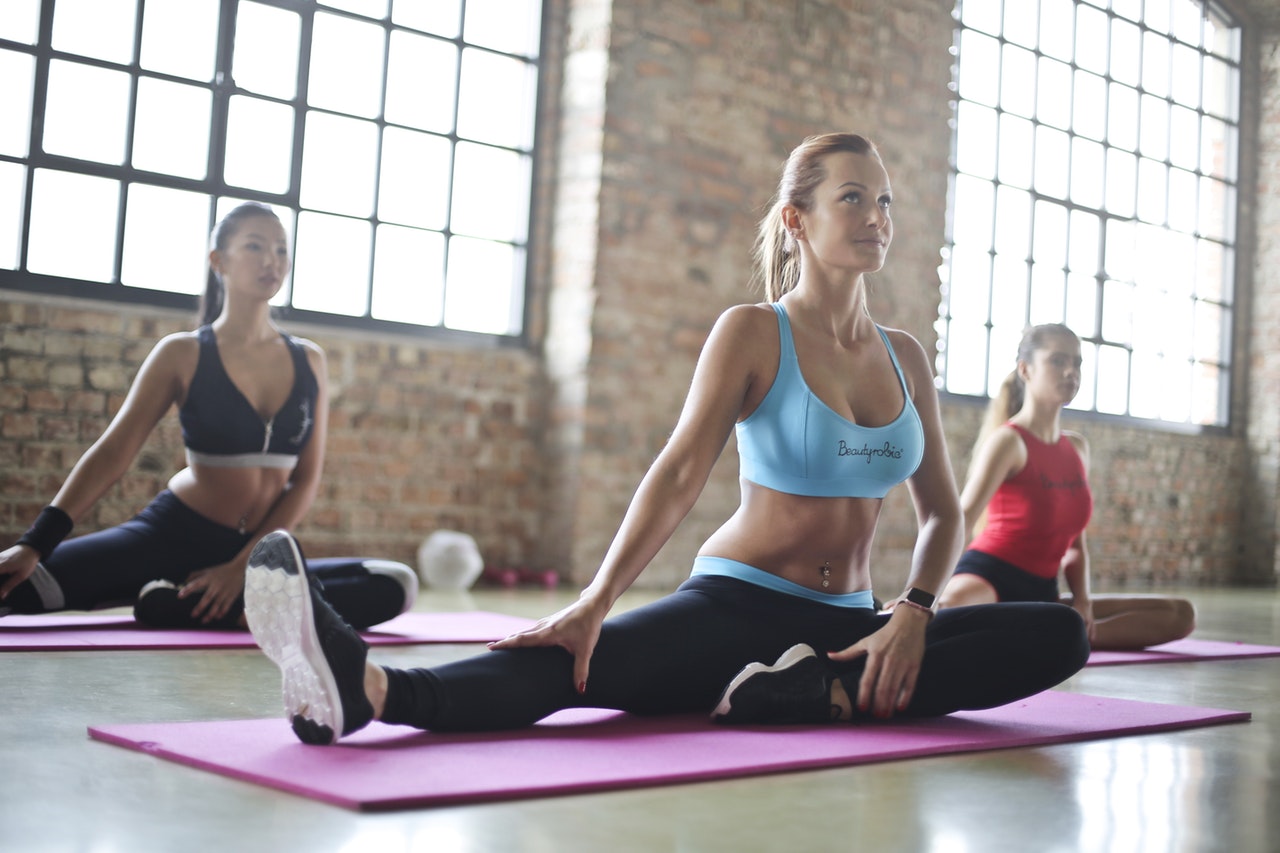
Exergames turn a living-room workout into something that feels like play, and they quietly teach along the way. Dance titles like Just Dance and Dance Central coach rhythm, coordination, and pacing. Boxing games such as Fitness Boxing on Nintendo Switch walk you through stance, guard, and combos while building a workout structure with warm-ups and cooldowns. On VR, Beat Saber and Supernatural lean into fitness-adventure style play, where reaching, squatting, and stepping become part of the game itself. Researchers have been looking at active video games for activity and the appeal is easy to see: when it’s fun, you’re more likely to come back.
Start where you are, not where you think you should be. Pick an intensity that feels comfortable today, and build up over a few weeks. Here’s a quick list of what to look for:
- Adjustable difficulty, so you can ease in and level up at your own pace.
- Clear movement demonstrations that show good form before you try it.
- Built-in rest prompts to help you pace yourself.
- Options for small spaces, handy for apartments and shared rooms.
If you have joint concerns, a health condition, or you’re returning after a long break, it’s a good idea to check in with your doctor or another health professional first. A little guidance up front helps you play confidently and keep it sustainable.
Mental Health and Mindfulness Games
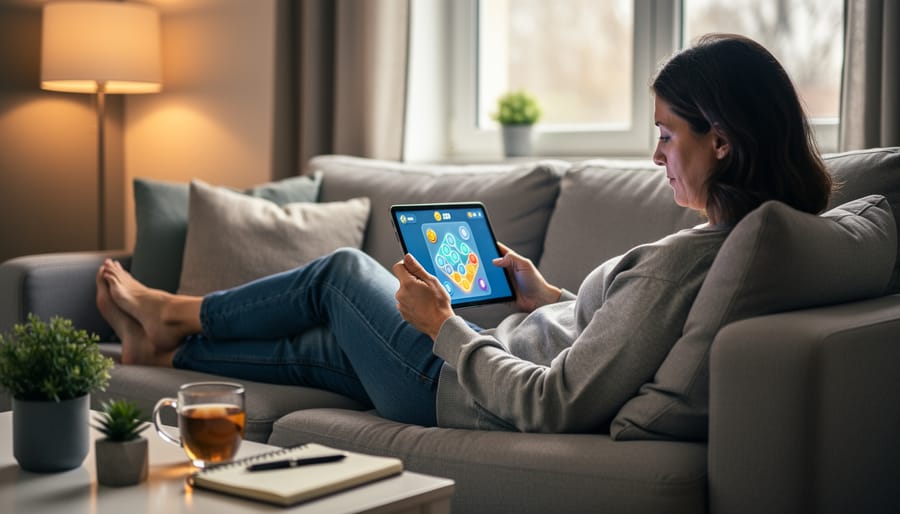
Mental wellbeing is one place where play can be genuinely gentle. Many educational health games in this category teach skills like slowing your breath, noticing your emotions, and winding down before bed, without any pressure to perform.
Calming exploration games, such as Flower, Abzû, or Alba: A Wildlife Adventure, offer slow, low-stakes worlds that can double as a short stress-reset break. Guided breathing and mindfulness apps like Calm, Headspace, or Breathwrk walk you through simple techniques you can use anywhere. Mood-tracking and CBT-inspired tools, including Daylio, Woebot, and MindShift CBT (developed by Anxiety Canada), help you spot patterns in how you feel and practise reframing unhelpful thoughts. Sleep-focused apps can also support a steadier wind-down routine.
Think of these as supportive wellness tools, not treatment. They can build helpful habits and self-awareness, and many people find them a friendly starting point. If you’re dealing with persistent anxiety, low mood, or anything that feels overwhelming, they work best alongside support from a qualified professional, such as your doctor or a registered therapist, rather than in place of it.
Health Literacy and Medication Awareness Games
Some of the most useful educational games don’t focus on fitness or food at all. They help you understand how your body works and how to move through the healthcare system with more confidence.
Anatomy and body-systems titles let you explore the heart, lungs, and digestive tract through interactive 3D models and quizzes. They’re a friendly way to make sense of the terms you hear at a checkup. First-aid apps, including those from the Red Cross, turn skills like handling a minor burn or recognizing when to call for help into short, replayable scenarios. Repetition is the point here: practising a response in a game can make it feel less intimidating later.
Medication-awareness tools are newer and more varied. Some use quizzes and simple simulations to teach basics like reading a label, understanding dosing schedules, and spotting the questions worth asking. They can build general awareness, but they can’t account for your own health history or the other medications you take.
That’s why it helps to treat these games as a starting point for conversation. If something raises a question, bring it to your pharmacist or doctor, who can give you guidance that fits your situation.
How Educational Health Games Fit Into Everyday Life
Think of these games as small tools you slot into the day you already have, not another item on a to-do list. The goal is to make healthy habits feel playful enough that you’ll actually come back to them.
For a busy parent, that might be a ten-minute cooking game with the kids while dinner simmers. Children get to practise sorting food groups and building a balanced plate, and you get a low-pressure way to start conversations about what’s on the table. A shift worker might prefer a short guided-breathing app between tasks or before sleep, since it fits around unpredictable hours. If you’re new to exercise, a dance or movement title can work as a gentle warm-up before a walk or workout, helping you get comfortable with rhythm and pacing without the intimidation of a gym.
Games can also act as a practice space for habit-building skills. Tracking a streak, setting a small daily goal, or noticing how a calm-down activity shifts your mood all build the same muscles you’ll use in real life. That’s where something like resilience fitness comes in: the ability to bounce back from a rough week and keep going matters more than a perfect streak.
Your life, your energy levels, and your starting point are different from anyone else’s, so the “right” way to use these games will be too. Start with one that fits a natural pause in your day, like after dinner or before bed, and let it earn its place. Small, enjoyable steps almost always beat an all-or-nothing plan, and if a game stops feeling fun, that’s useful information too. Swap it out and try something that suits you better.
How to Choose the Right Game for Your Goals
Start with your goal, because it narrows the field fast. If you want to build meal confidence, look at cooking and nutrition titles. If you’re trying to move more, an exergame is a better fit. A game that teaches how to read food labels won’t help much if what you need is a stress reset. If you’re exploring a specific eating pattern, such as a vegetarian plan choose games that show balanced meals and practical kitchen skills over ones that only celebrate flashy recipes.
Next, check who made it. Games from health organizations, universities, or developers who name their sources tend to be more evidence-informed than ones that make big promises. Look at the age rating too, and whether the content actually suits the person who’ll be playing.
Privacy and spending matter more than most people expect. Before you download, skim the privacy policy for what data is collected and shared. Canadian readers may also want to confirm the app is available on their platform and in their region. Watch for in-app purchases and subscription prompts, especially on kids’ apps.
Then consider accessibility: readable text, adjustable difficulty, captions, and controls that work for your body and your space.
Finally, ask the honest question: is it fun enough that you’ll come back? A game you enjoy for ten minutes a day beats an “ideal” one you abandon.
There’s no one-size-fits-all pick. Trying a free option first is a low-risk way to find out what clicks.
Common Questions About Educational Health Games
Can games really teach healthy habits?
They can support learning and practice, especially through small wins and quick feedback. Lasting habits still depend on what you do away from the screen.
Are they suitable for kids and adults?
Yes, there are options for most ages. Check the age rating and content before you start, and pick something that suits your goals.
Do I need special equipment?
Often no. Many nutrition and mindfulness apps run on a phone or tablet, while exergames may need a console or VR headset.
Can games replace coaching or professional care?
No. They work best alongside personalized guidance from a coach, pharmacist, or doctor.
Free options are a sensible place to begin. Try one for a couple of weeks and see whether it keeps you coming back before spending anything.
Educational health games make learning about nutrition, movement, and mental wellbeing feel approachable and fun. Pick one that fits your goal, try it for a couple of weeks, then notice what felt sustainable. Personalized coaching can help turn it into habit.