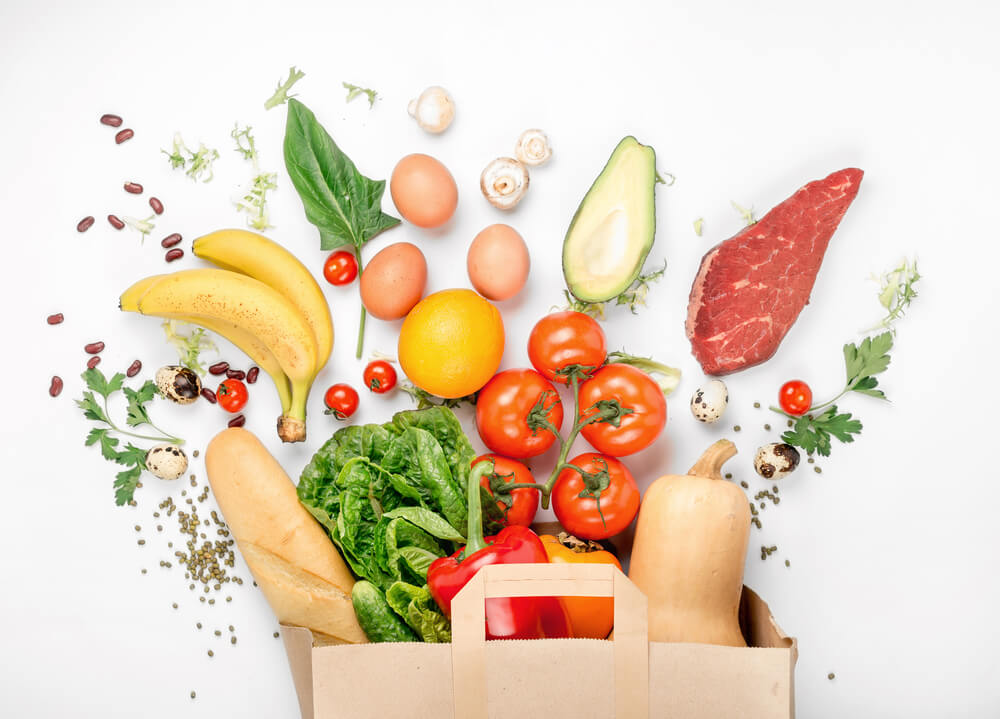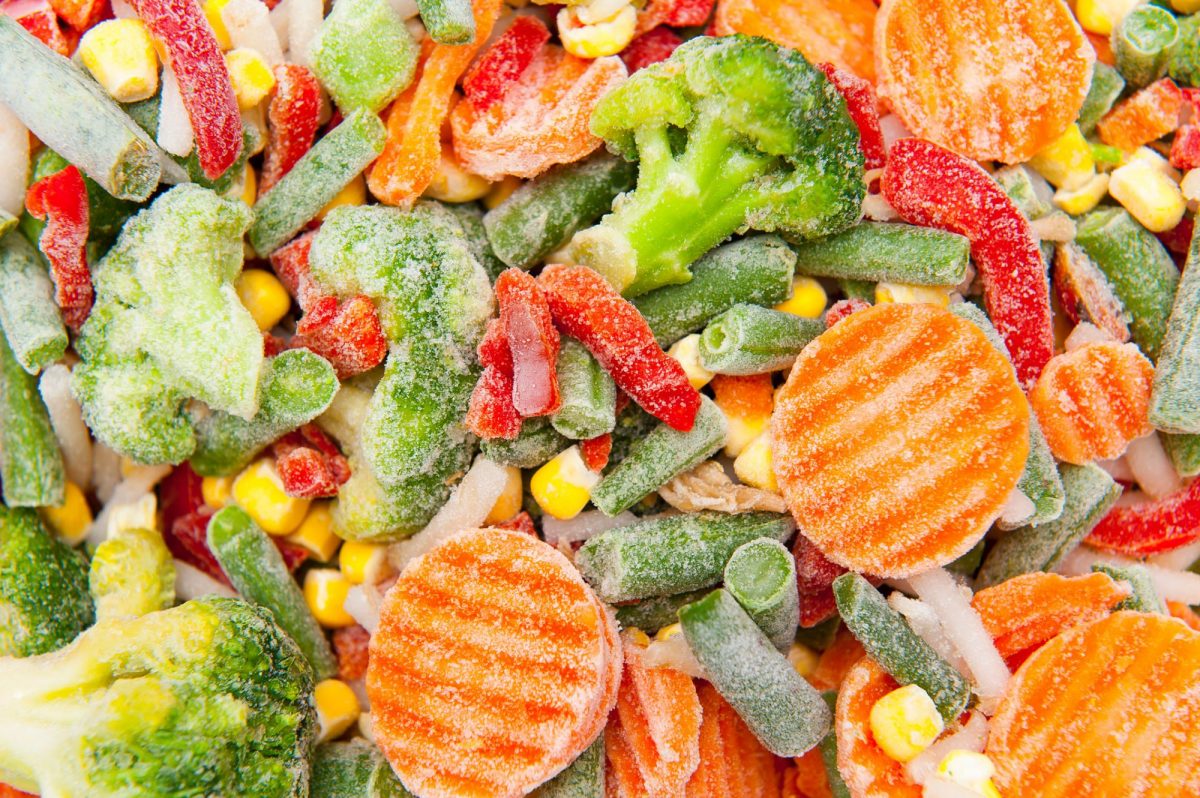



After all the good Irish food & drink from Paddy’s Day I figured some of you guys might need a little cleansing food for the weekend. This is a great seasonal dish highlighting some beautiful lamb and veggies that some people may not use or even know of. I grew up eating turnips all the time. They have a delicious sweet nutty flavour. They’re in season right now but with spring just here you should take advantage of these great veggies while they last. Those of you who know my cooking style will know I’m all about simple delicious food and this definitely fits the bill. I didn’t want to mask the great natural flavour of the grass-fed lamb so I just enhanced it with some flavourful fresh garden herbs.
LAMB RECIPE:
Serves 4
2 racks of grass-fed lamb (16 chops)
1/4 tsp salt – use to season before grilling
1/4 tsp pepper – use to season before grilling
Mix all marinade ingredients together and toss lamb chops in marinade for at least 2 hours up to 6 hours, refrigerated.
Remove chops from fridge 1 hour before grilling to let return to room temp.
Preheat grill (outdoor or stove top) on medium for 5 minutes.
Season chops with S&P. Sear for 3-4 minutes on each side for medium rare. Remove from grill and let rest for 3 minutes before serving.
Want that long life to be full of health, vitality and general awesome-ness
Because seriously, who wants to live until 100 if you have to spend the final 20-30 years of your life hooked up to machines and/or driving around in one of those motorized scooters because of your poor lifestyle choices
Sadly, in our modern world, the biggest threat to living a long, healthy, vital and generally awesome life is our lifestyle.
Too little physical activity
Too much sitting
Too much of the wrong foods
Too little of the right foods
Chronic low level stress
Not good.
But, maybe that’s just the way things have to be. Maybe it’s a yin-yang kind of thing.
For all of the benefits of our modern society, there have to be some drawbacks.
Maybe the cost of our technological evolution is a slow, physical de-evolution into WALL-E blobbiness.
Maybe, there is nothing we can we do about it?
personal trainer toronto
wrong.
personal trainer toronto
Here are your options for getting super-fit.
1. Wait for a Technological Solution
Whether it’s a new drug or surgery or medical implant or obesity hygiene device, some people are going to sit and wait for someone else to save them from…themselves.
Cost/Benefit Analysis
Benefits
No exercise
More free time to watch tv and play video games
Eat whatever you want, whenever you want it
Costs
You may die before a “cure” is found
And you may have to spend big bucks on a Comfort Wipe
Our caveman ancestors might not have had an iPad, but they certainly were leaner, stronger & fitter. And, if it wasn’t for their higher infant death rate and the general lack of emergency room doctors, our caveman ancestors would probably have retained a high level of physical fitness well into the senior years.
So, solution #2….
Walk away from all of your modern conveniences, leave your home, walk into the nearest forest and adopt the lifestyle that our paleolithic ancestors thrived upon.
Cost/Benefit Analysis
Benefits
Eating real food (wild game, fruit, berries, nuts, vegetables, roots, water… will make a huge difference on your overall health as well as help you drop a few lbs.
Increased physical activity will drastically improve your overall physical fitness
Less tv, less computer, less video games, less time in the car will improve posture, pain and portliness.
Low level stress will melt away as you ditch your daily commute, your boss, your suit & tie and your need to conform
Costs
No income
Property laws mean that you will likely be arrested for vagrancy or trespassing on private property
Herds of wild buffalo are pretty scarce nowadays, so you might have a problem finding enough food.
Replace low level chronic stress with higher level acute stress – starvation, arrests for vagrancy, etc…
Conclusion
The costs associated with returning to our ancient way of life far outweigh the benefits.
A modern caveman continues to work at his/her job, live in his/her nice warm home but chooses to eliminate or at least minimize those aspects of modern life that are causing us so much trouble
too much screen time – tv, computer, iphone, etc…
too much sitting
not enough physical activity
too many calories
not enough nutrition
Cost/Benefit Analysis
Benefits
Eating real food (wild game, fruit, berries, nuts, vegetables, roots, water… will make a huge difference on your overall health as well as help you drop a few lbs.
Increased physical activity will drastically improve your overall physical fitness
Less tv, less computer, less video games, less time in the car will improve posture, pain and portliness.
Taking a proactive approach to stress reduction will help improve the quality & quantity of your life.
Costs
Individuality – If you like to blend in, being a modern caveman isn’t for you
Grocery Bills – Real food often costs more than the typical processed Standard American Diet. Or at least it requires more imagination and effort to keep costs down.
Cost of physical activity – whether it’s time or money or a combination of the two, exercise is going to hit you in the wallet. Because you aren’t spending your entire day being active, you’re going to need to “exercise”. Whether you choose to run on your own or hire an in-home personal trainer, there is going to a cost – time, money, combination.
Conclusion
Millions of fit, healthy & attractive people are implementing some version of this plan each & every day.
Next week, i will go into some of the options and break them down…benefits, costs, etc…
Today, we move on to biceps. personal trainer toronto
1,000,000,001 Different Ways to Train your Biceps
In an attempt to organize the million and one ways that you can train your biceps, I decided to organize all of these different lifts into different categories.%
Soldiers need to be able to move quickly under load, to be mobile under load, with your body armor, your weapons and your helmet, in a stressful situation,” said Frank Palkoska, head of the Army’s Fitness School at Fort Jackson, which has worked several years on overhauling the regime.
.
We geared all of our calisthenics, all of our running movements, all of our warrior skills, so soldiers can become stronger, more powerful and more speed driven,” Palkoska said. The exercises are part of the first major overhaul in Army basic fitness training since men and women began training together in 1980, he said.
.
The new training also uses “more calisthenics to build core body power, strength and agility. Over the 10 weeks of basic, a strict schedule of exercises is done on a varied sequence of days so muscles rest, recover and strengthen.
Part of the reason for this program re-design is the current physical fitness level of new Army recruits.
Many recruits didn’t have physical education in elementary, middle or high school and therefore tend to lack bone and muscle strength. When they ditch diets replete with soda and fast food for healthier meals and physical training, they drop excess weight and build stronger muscles and denser bones, Palkoska said.
.
Lt. Gen. Mark Hertling of the Army’s Training and Doctrine Command, the three-star general in charge of revamping all aspects of initial training, said his overall goal is to drop outmoded drills and focus on what soldiers need today and in the future.
.
So, does that mean that the chubby 40-somethings doing “bootcamp” in my neighborhood park need to re-design their program as well?
I like to visualize Ben Johnson crushing Carl Lewis when I do my HIIT sprints
So, there I was.
I had just finished a set of killer HIIT sprints….when the Lance Armstrong clone to my left asked me “what’s the deal with that workout”?
I think I croaked something about anaerobic this and EPOC that…and was about to hop off the bike when he said…
“that’s just a fad..like Atkins. If you want to get fit, you HAVE to do cardio”
Arrrgggghhhh!
Stifling my hulk-like rage, I asked…
“What do you mean I have to do cardio?”
From there, he proceeded to tell me why cardio rocks and why high intensity training (HIIT, HIRT, resistance training) sucks.
Double arggghhhhh!
Hulk (me) was getting mad.
But, instead of smashing, I flipped him one of my business cards (along with a certain finger) and suggested he read the following study which shows (once again) how HIIT kicks cardio butt
According to the researchers, high intensity interval training (HIIT) is better than traditional endurance training for improving:
Athletic performance
Metabolic performance
Molecular adaptation to exercise
According to researcher Martin Gibala…”doing as little as 10 one-minute sprints on a standard stationary bike with about one minute of rest in between, three times a week, works as well in improving muscle as many hours of conventional long-term biking less strenuously.”
We have known for years that repeated moderate long-term exercise tunes up fuel and oxygen delivery to muscles and aids the removal of waste products. Exercise also improves the way muscles use the oxygen to burn the fuel in mitochondria, the microscopic power station of cells.
.
Running or cycling for hours a week widens the network of vessels supplying muscle cells and also boosts the numbers of mitochondria in them so that a person can carry out activities of daily living more effectively and without strain, and crucially with less risk of a heart attack, stroke or diabetes.
.
But the traditional approach to exercise is time consuming. Martin Gibala and his team have shown that the same results can be obtained in far less time with brief spurts of higher-intensity exercise.
Take that Mr. Lance Armstrong clone.
But wait, it get’s better.
One of the main complaints about High Intensity Interval Training is that it’s…well, too intense.
Sure, it gives you a great workout, but it will probably give you a heart attack.
Not according to Dr. Gibala.
The main purpose of his study was to prove the performance, metabolic and molecular advantages of a more practical model of low-volume HIIT.
The new study used a standard stationary bicycle and a workload which was still above most people’s comfort zone (about 95% of maximal heart rate) but only about half of what can be achieved when people sprint at an all-out pace.
Seven men performed 6 HIIT training sessions over 2 weeks.
Each session consisted of 8-12 x 60 s intervals (at ≈100% of peak power) separated by 75 s of rest.
That’s a total of between 17 and 26 minutes per workout or 2 ½ hours over 2 weeks
So, how does this workout compare to traditional cardio?
According to the doc, to achieve the same performance, metabolic and molecular benefits with traditional endurance (cardio) training, you’d need to complete over 10 hours of continuous moderate bicycling exercise over a two-week period.
.
Hmmmmm…let’s recap.
HIIT
2 ½ hours per week
Cardio
10 hours per week
And I won’t even mention the fact that HIIT workouts make you look like this:
Michelle Obama and her war against childhood obesity is in the news again.
In the article that she has written an article for this week’s edition of Newsweek, the First Lady outlines her plan to transform America’s youth from fat to fit within the span of a single generation.
And while I personally believe that big social programs such as these are more effective at spending money than affecting any sort of meaningful change, I want to know what you think.
And I made it easy with this handy-dandy Poll Daddy poll.
So, make your selection and then send send this link to all of your Facebook friends, Twitter followers, etc…
.
(I have also included the entire article in the post – see below)
.
Michelle on a Mission
How we can empower parents, schools, and the community to battle childhood obesity.
By Michelle Obama | NEWSWEEK
Published Mar 14, 2010
From the magazine issue dated Mar 22, 2010
For years, we’ve known about the epidemic of childhood obesity in America. We’ve heard the statistics—how one third of all kids in this country are either overweight or obese. We’ve seen the effects on how our kids feel, and how they feel about themselves. And we know the risks to their health and to our economy—the billions of dollars we spend each year treating obesity-related conditions like heart disease, diabetes, and cancer.
But we also know that it wasn’t always like this. Back when many of us were growing up, we led lives that kept most of us at a pretty healthy weight. We walked to school every day, ran around at recess and gym and for hours before dinner, and ate home-cooked meals that always seemed to have a vegetable on the plate.
For many kids today, those walks to school have been replaced by car and bus rides. Afternoons playing outside have been replaced with afternoons inside with TV, videogames, and the Internet. And with many parents working longer hours, or multiple jobs, they don’t have time for family meals around the table anymore.
It’s now clear that between the pressures of today’s economy and the breakneck pace of modern life, the well-being of our kids has too often gotten lost in the shuffle.
And let’s be honest with ourselves: our kids didn’t do this to themselves. Our kids don’t decide what’s served in the school cafeteria or whether there’s time for gym class or recess. Our kids don’t choose to make food products with tons of sugar and sodium in supersize portions, and then have those products marketed to them everywhere they turn. And no matter how much they beg for fast food and candy, our kids shouldn’t be the ones calling the shots at dinnertime. We’re in charge. We make these decisions.
That’s actually the good news—that we can decide to solve this problem. That’s why we started Let’s Move, a nationwide campaign with a single goal: to solve the problem of childhood obesity in a generation, so that children born today can reach adulthood at a healthy weight.
Let’s Move is not about trying to turn back the clock to when we were kids, or cooking five-course meals from scratch every night. No one has time for that. And it’s not about saying no to everything either. There’s a place for cookies and ice cream, burgers and fries—that’s part of the fun of childhood.
Instead, Let’s Move is about families making manageable changes that fit with their schedules, their budgets, and their needs and tastes. It’s about giving parents the tools they need to keep their families healthy and fit, and getting more nutritious food—more fresh fruits, vegetables, and whole grains, and less sugar, fat, and salt—into our nation’s schools. It’s about helping grocery stores serve communities that don’t have access to fresh foods, and finding new ways to help our kids stay physically active in school and at home.
Achieving all this won’t be easy. This isn’t something we can fix with a bill in Congress or an executive order from the president. I’ve spoken with many experts about this issue, and not a single one has said that the solution to childhood obesity is to have the government tell people what to do.
Instead, it’s about what all of us can do to help our kids lead active, healthy lives: parents making healthier choices for their families; mayors and governors doing their part to build healthier cities and states; and the private sector doing its part as well—from food manufacturers offering healthier options to retailers understanding that what’s good for kids and families can be good for businesses too.
That’s why I’ve been traveling the country, speaking to groups ranging from PTAs to food manufacturers, to elected officials, to school food-service employees, asking all of them to be a part of Let’s Move. And since this campaign began, several major school suppliers have already agreed to improve the quality of their food, doubling the amount of fresh produce they serve to our children. The nation’s largest beverage companies have agreed to provide clearly visible information about calories on the front of their products, as well as on vending machines and soda fountains. The American Academy of Pediatrics has begun urging its members to screen children for obesity and to actually write out prescriptions for parents detailing how to address it. And we’ve started a Web site—LetsMove.gov—with tips on eating well and staying fit.
Changes like these are only the beginning—and we’ve got a long way to go to reach our goals. But I’m confident that if we each do our part, and all work together, we can ensure that our kids have not just the opportunities they need to succeed, but the strength and endurance to seize those opportunities: to excel in school, pursue the careers of their dreams, keep up with their own kids, and live to see their grandkids grow up—maybe even their great-grandkids too. That is the goal of Let’s Move, and that is my mission as first lady.
Next week is St. Paddy’s Day so all week on my site I’ve been featuring a bunch of healthy Irish recipes. Continuing on with my Irish recipe round up…..Yep, it’s another Irish beef stew. I can’t help it–it’s in my DNA!
You’re probably familiar with my Beef & Guinness version and you may remember I made an Autumn Stew this past year. What’s the difference besides the obvious use of Guinness? Subtle differences like using more types of root veg, pearl onions and no potatoes in the stew itself (making it a perfect St. Paddy’s Paleo dish) are the main differences, which goes to show that you can take the same idea and make it different and seasonal.
In this study, the researchers argued that when it comes to Metabolic Syndrome (hypertension, dyslipidaemia, glucose intolerance, hyperinsulinemia, central adiposity {big belly}, high blood sugar) obesity may actually be a good thing.
Here’s why.
Metabolic Syndrome is a result of our Standard American Diet
The S.A.D. combination of too many calories and the over-consumption of sugar + fat-centric meals causes…
An increase in the secretion of insulin. When this happens on a regular basis, we end up with…
Causes the expression of the lipogenic transcription factor SREBP-1c and its target enzymes and so on and so on and so on until we end up with Metabolic Syndrome and all of the wonderful ailments I mentioned in the previous paragraph.
Sounds pretty grim, doesn’t it?
And the first thing that your doctor is going to tell you if she suspects you have Metabolic Syndrome is to lose weight.
As if obesity is the cause of Metabolic Syndrome.
But, it ain’t.
We know that our bodies respond to our Standard American Diet by increasing the amount of circulating insulin.
This leads to an increase in body-fat.
Common sense tells us that this is bad.
These researchers disagree.
They propose that this new body-fat delays, rather than causes, the metabolic syndrome induced by chronic caloric surplus.
They argue that subcutaneous fat in general exerts a positive effect on insulin sensitivity. Subcutaneous fat is the body-fat that exists between your muscles and your skin – we’re not talking that solid “beer belly” kind of fat.
This “healthy” type of adipose tissue is genetically determined and has a strong sexually dimorphic component as well. Females, at any given body mass index, are protected against insulin resistance more than males.
And if we prevent insulin resistance…we prevent Metabolic Syndrome.
To test this hypothesis further, the researchers bred obesity resistance mice with with db/db mice, which normally become obese and develop severe metabolic syndrome and type 2 diabetes (T2DM) by the age of 8–10 weeks.
Sucks to be a db/db mouse.
They ended up with some mice who stayed lean despite their voracious appetites.
Unfortunately, these mice developed Metabolic Syndrome in 4 weeks instead of the typical 8-10 weeks.
The researchers concluded that body-fat is a normal response designed to permit stockpiling of fuels while simultaneously protecting our lipid-intolerant organs.
Metabolic syndrome appears only after the storage capacity of the adipocyte compartment has reached a maximum, at which point a gradual accumulation of ectopic fatty acids begins.
Ectopic means “not where it’s supposed to be”. It accumulates in the abdominal region (beer belly), the liver, muscle tissue including the heart, the pancreas, and perhaps in lipid-rich deposits in the arteries.
Obesity should therefore not be regarded as a pathology or disease, but rather as the normal, physiologic response to sustained caloric surplus without which the advent of metabolic syndrome is accelerated.
Conclusions
Obesity isn’t a disease
It’s a symptom of another disease – Metabolic Syndrome
It’s better to have squishy, subcutaneous fat than the big, hard beer belly kind of fat
My Suggestion
Stop thinking of obesity as a health issue unto itself.
If obesity is a result of something else, you need to know what that cause is and then take action to reverse the problem.
You can start by dumping the Standard American Diet and replace it with something more Mediterranean or Asian or Paleo.
1 [Latin gluttonicidium, from glutton- + -cidium -cide] : the act or an instance of taking one’s own life voluntarily and intentionally by means of habitual eating to excess
. 2: one that commits or attempts gluttonicide
.
I discovered this amazing new word while skimming some new studies online.
You are not going to believe the research I am going to share with you tomorrow.